4 Ways to hide videos on your Android device
Last updated: 2026-09-16
Welcome to Blackview (World's well-known brand of rugged phone and tablet) blog. Hope this guide has been helpful.
Keeping personal videos private on an Android device can be useful when you share your phone with family members, lend it to someone, or simply want to separate sensitive recordings from your everyday gallery. Android phones offer several ways to make videos less visible, ranging from built-in secure folders and locked albums to file-management features and third-party applications. The best approach depends on your phone manufacturer, Android version, and whether you want simple privacy or stronger protection with a password, PIN, fingerprint, or other authentication.
- Read also: How can you hide text messages on Android?
- How to hide and unhide a folder or a file on Android devices?
- How to hide and unhide a WiFi network?
- How to hide apps on my phone?
- How to find hide apps on Android?
Before hiding anything, it is important to understand the difference between hiding a video and protecting it. Moving a file to a hidden folder may remove it from a gallery view, but it does not necessarily encrypt the file. Someone with access to a capable file manager could potentially find it. For genuinely private material, use a feature that requires authentication and, when possible, stores the content in an encrypted or protected area. The following methods cover common options available on Android devices.
Use your phone's built-in secure folder
Many Android manufacturers provide a protected space specifically designed for private files, photos, and videos. Samsung devices, for example, offer Secure Folder, while other manufacturers may provide similarly named private or locked spaces. These features are generally preferable to simply renaming a file or placing it in an obscure directory because access can be protected by a PIN, password, pattern, or biometric authentication.
How to move videos into a secure folder
- Open your phone's Settings and search for Secure Folder, Private Space, Private Safe, or a similar feature.
- Complete the setup and choose an authentication method if prompted.
- Open the secure or private area.
- Choose the option for adding files, photos, or videos.
- Select the videos you want to hide.
- Confirm that you want to move or copy them into the protected area.
- Open the secure area later and authenticate whenever you need to view the videos.
The exact terminology and menus vary by manufacturer. If you cannot find a secure-folder feature, search your phone's Settings for terms such as private, secure, hidden, or lock. Avoid assuming that every Android phone has the same privacy tools.
Hide videos using Google Photos
If you use Google Photos, the Locked Folder can provide a convenient way to keep selected videos out of the normal Photos view. Items placed there are separated from the regular photo and video browsing experience and require device authentication to access. This can be useful when you want to keep particular recordings away from your main gallery without manually managing folders.
Steps to move a video to Locked Folder
- Open Google Photos.
- Find the video you want to hide.
- Select the video and look for the option to move it to Locked Folder.
- Confirm the move when prompted.
- Authenticate with your device's supported security method if required.
- Access the video later through the Locked Folder section.
Before relying on any private-storage feature, review its backup behavior and availability on your particular device. Privacy features can have different rules for cloud backup, device transfers, and factory resets. Understanding where your files are stored helps prevent accidental loss as well as accidental exposure.
Create a hidden folder for less sensitive videos
For videos that do not require strong security, a hidden folder can keep them from appearing in some gallery applications. Android and many file managers recognize a folder whose name begins with a period as hidden. You can use a file manager to organize videos in such a directory, although this method should not be treated as encryption.
Steps for creating a hidden folder
- Open a trusted File Manager application.
- Navigate to the location containing the videos.
- Create a new folder with a name beginning with a period, such as .PrivateVideos.
- Move the selected videos into that folder.
- Refresh your gallery or media application and check whether the files are no longer displayed.
- Keep in mind that some file managers and gallery applications may still display hidden files.
This method is best viewed as an organizational convenience rather than a security mechanism. Anyone who deliberately browses hidden files may be able to locate the videos. Do not use a basic hidden-folder technique for highly confidential material when a password-protected or encrypted option is available.
Use a third-party vault application
Third-party vault applications can provide additional features such as PIN protection, biometric authentication, encrypted storage, and a separate media interface. They can be useful when your phone does not include a suitable built-in privacy feature. However, installing a vault app also means trusting another application with access to your private files, so privacy and security should be considered carefully.
Steps for using a video vault
- Choose a reputable vault application from a trusted source.
- Review its permissions and privacy information before installation.
- Install the application and create a strong PIN or password.
- Enable biometric protection if the application supports it and you want to use it.
- Import the videos you want to protect.
- Verify that the videos are accessible inside the vault.
- Check whether the original copies remain in your normal gallery and delete those copies only after confirming the protected versions work correctly.
Be particularly cautious with applications that request broad permissions unrelated to their stated purpose. A vault should not require unnecessary access to contacts, messages, location, or other unrelated information simply to protect videos. Also investigate how the application handles backups, uninstallations, and forgotten passwords before storing irreplaceable files inside it.
Check whether copies of your videos still exist
Hiding a video in one location does not necessarily remove other copies. A video might also exist in a cloud-photo service, messaging application's media folder, a Downloads directory, an editing application's project folder, or an automatically generated backup. If privacy is your primary concern, inspect these locations after moving a video to a protected area.
Places worth checking
- Your standard Gallery or Photos library.
- Google Photos or another cloud photo service.
- The Downloads folder.
- Messaging-app media folders.
- Video-editing application folders.
- External SD cards, if your phone uses one.
- Automatic device or cloud backups.
Also consider thumbnails and cached media. A gallery application may generate previews even after you reorganize the original file. Restarting the device or allowing the gallery application to refresh its media index can help you confirm whether the original video remains visible.
Protect the Android device itself
A hidden folder or locked album is only one layer of privacy. The phone's primary lock screen is equally important because anyone who can unlock the device may potentially gain access to files, applications, or accounts. Use a strong screen-lock method and avoid sharing your PIN or password casually.
Practical privacy habits
- Use a strong PIN or password for your phone.
- Enable fingerprint or facial authentication where appropriate.
- Keep Android and important applications updated.
- Review app permissions periodically.
- Avoid installing unknown APK files solely because they promise hidden storage.
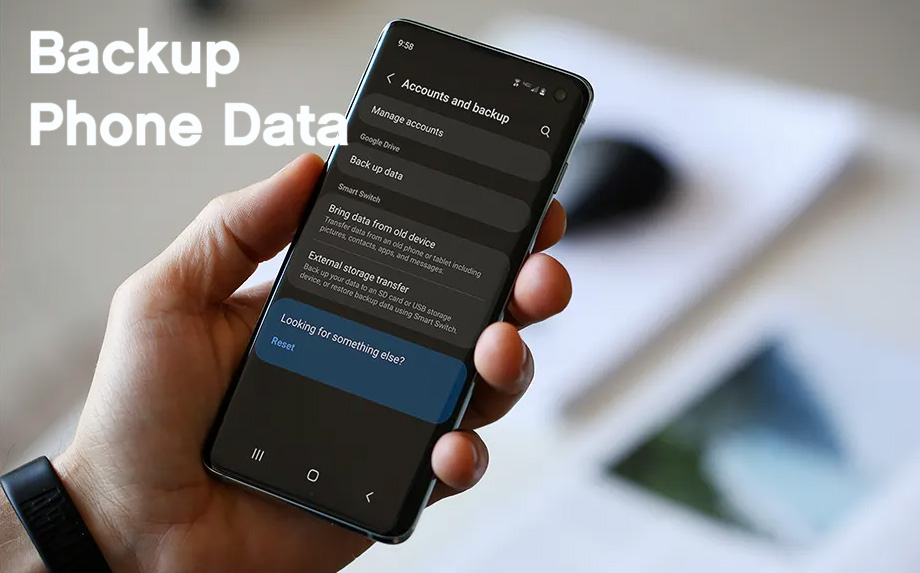
- Back up important videos before making major storage changes.
Combining device security with an authenticated private-storage feature provides stronger protection than simply hiding files from a gallery. It also reduces the risk that someone can bypass your chosen privacy method by opening a different file-management application.
How to choose the right hiding method
The right method depends on what you are trying to accomplish. If you merely want to reduce clutter in your gallery, a hidden folder may be sufficient. If you want to prevent casual access when another person uses your phone, a locked or secure folder is more appropriate. If your device lacks built-in privacy controls, a carefully selected vault application can provide another option.
- Simple organization: use a hidden folder.
- Casual privacy: use a locked album or private-space feature.
- Stronger protection: use authenticated secure storage or encryption.
- Manufacturer-specific tools: check your phone's built-in security and privacy settings first.
Do not judge a privacy feature solely by whether the video disappears from the gallery. Consider whether the file is encrypted, whether authentication is required, whether copies remain elsewhere, and what happens during backup, device transfer, or app removal.
Final thoughts
Android offers several ways to keep videos away from ordinary gallery views, but these methods provide different levels of protection. Built-in secure folders and locked spaces are generally designed specifically for private content, while hidden folders are mainly useful for organization. Google Photos and reputable vault applications can provide additional alternatives, but you should understand their storage and backup behavior before relying on them for sensitive material.
For the best privacy, start with the security features already available on your Android phone, protect access with a strong device lock, and check for duplicate or cloud-stored copies of important videos. Most importantly, treat “hidden” and “secure” as different concepts: hiding changes visibility, while genuine protection should restrict access as well. By choosing the method that matches the sensitivity of your videos, you can keep personal recordings organized and reduce the chance of accidental exposure.
What to remember
Before moving or deleting any video, confirm whether you need a backup and whether the privacy feature you selected supports the kind of protection you expect. A few minutes spent checking storage locations, permissions, authentication, and backups can prevent both unwanted exposure and accidental data loss.