How do I hide apps on an Android phone or iPhone?
Last updated: 2026-08-31
Welcome to Blackview (World's well-known brand of rugged phone and tablet) blog. Hope the guide helps.
Hiding apps on a smartphone can be useful for keeping your home screen organized, protecting private applications from casual viewing, or separating personal and work-related apps. Android and iPhone handle this feature differently, and the available options can also vary by device manufacturer and operating-system version. Some phones provide a dedicated hidden-app feature, while others rely on app libraries, private spaces, folders, or restrictions.
- Read also: How to change app icon size on Android?
- How to find missing app icon on my phone?
- How to find invisible apps on Android?
- How to clear cache on Android all at once?
Before hiding an app, it is important to understand what “hidden” actually means. Hiding an app usually removes its icon from the home screen or app list, but it does not necessarily uninstall the application or prevent notifications from appearing. If your goal is stronger privacy, you may need a secure folder, locked app, private space, or notification settings in addition to simply hiding the icon.
How to hide apps on Android
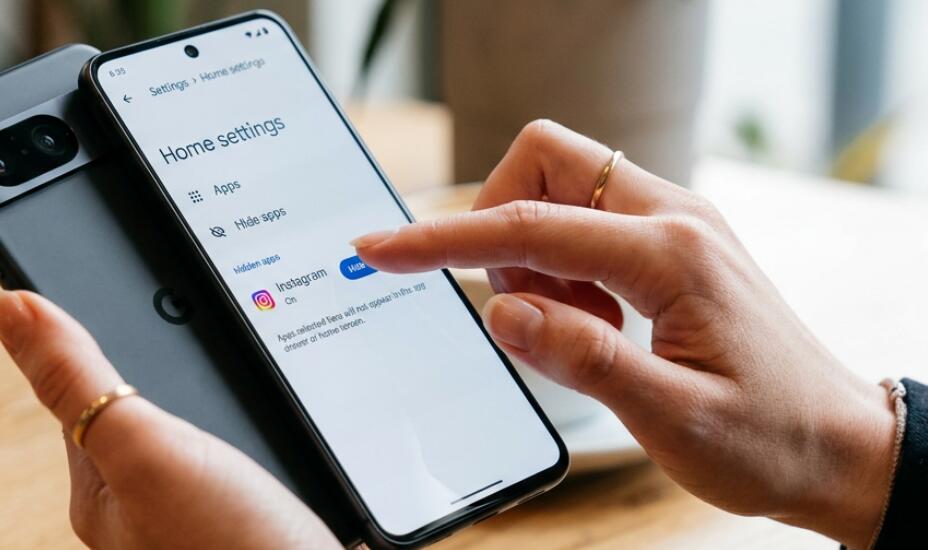
Android does not have one universal hiding method because manufacturers customize the operating system. Samsung Galaxy phones, Google Pixel devices, and phones from other manufacturers can provide different privacy and app-management features.
- Open the Settings app on your Android phone.
- Use the Settings search bar and look for Hide apps, Hidden apps, or Home screen settings.
- Open the relevant option and select the apps you want to hide.
- Tap Done, Apply, or the equivalent confirmation button.
- Check your app drawer or home screen to confirm that the selected apps are no longer displayed.
Use Private Space on supported Android phones
Newer versions of Android include Private Space on supported devices. Rather than simply removing an icon, Private Space provides a separate area where selected applications can be installed and protected with an additional authentication method. This can be a better choice when privacy is more important than simply keeping the home screen tidy.
- Open your phone's Settings.
- Search for Private Space or open the relevant security or privacy section.
- Follow the prompts to set up Private Space.
- Choose a separate lock or authentication method if offered.
- Install the apps you want to keep inside Private Space.
- Lock Private Space when you are finished using it.
Private Space is particularly useful when you want certain apps and their associated data to remain separated from your ordinary phone environment. Availability and functionality depend on the Android version and device.
How to hide apps on iPhone
On an iPhone, you can remove an app from the Home Screen without deleting it, or on supported versions of iOS, hide an app using Apple's dedicated hiding feature. These methods provide different levels of privacy, so choose the one that matches your purpose.
Remove an app from the Home Screen
If you simply want an app to disappear from the Home Screen while remaining installed, use the Remove from Home Screen option.
- Touch and hold the app icon on the Home Screen.
- Tap Remove App.
- Choose Remove from Home Screen.
- The app will remain installed and can normally be accessed through the App Library.
This method is convenient for decluttering but should not be considered a strong privacy measure. The application remains available through the App Library and can generally still be found through other system interfaces.
Hide an app on supported iPhones
Supported versions of iOS allow certain downloaded apps to be hidden and protected with authentication such as Face ID, Touch ID, or the device passcode. This is more private than simply removing an icon from the Home Screen.
- Find the app you want to hide.
- Touch and hold its icon.
- Select Require Face ID, Require Touch ID, or the corresponding authentication option.
- Choose Hide and Require Face ID or the equivalent Hide App option when available.
- Authenticate using Face ID, Touch ID, or your passcode.
- The app will move to the Hidden area of the App Library.
Hidden apps are designed to require authentication before they can be opened. This makes the feature useful for applications containing sensitive personal information. Keep in mind that Apple's hiding system has specific limitations, and not every type of built-in or third-party app can necessarily be hidden in the same way.
How to hide apps without deleting them
If you only want to make your Home Screen less crowded, you do not need to uninstall applications. On Android, a launcher may let you hide icons, while on iPhone you can remove apps from individual Home Screen pages or move them to the App Library. This preserves the application and its data while changing where the icon appears.
Hide an app page on iPhone
You can also hide an entire Home Screen page when you want to temporarily remove a group of apps from view.
- Touch and hold an empty area of the Home Screen.
- Tap the page indicator near the bottom of the display.
- Find the Home Screen page you want to hide.
- Tap the checkmark beneath that page to turn it off.
- Tap Done.
The apps on that page are not deleted. They remain installed and can still be available through the App Library. This is therefore best suited to organization rather than serious privacy protection.
What is the difference between hiding, locking, and uninstalling an app?
These three actions have very different purposes. Hiding generally changes where an app appears. Locking requires authentication before the app can be opened. Uninstalling removes the application itself, although associated cloud or backup data may remain depending on the service.
- Hide: Keeps the app installed but makes it less visible.
- Lock: Adds an authentication barrier to access.
- Move to a private space: Separates selected apps into a protected area on supported Android devices.
- Remove from Home Screen: Keeps the app installed while removing its main icon from view.
- Uninstall: Removes the app from the phone and may remove locally stored app data.
How to improve privacy after hiding an app
Hiding the icon alone may not be enough if you are trying to protect sensitive information. Notifications can reveal an app's name or message preview, and system settings may still show that an application is installed. For stronger privacy, review notification previews, use the strongest available device lock, and enable app-specific authentication or a private-space feature where supported.
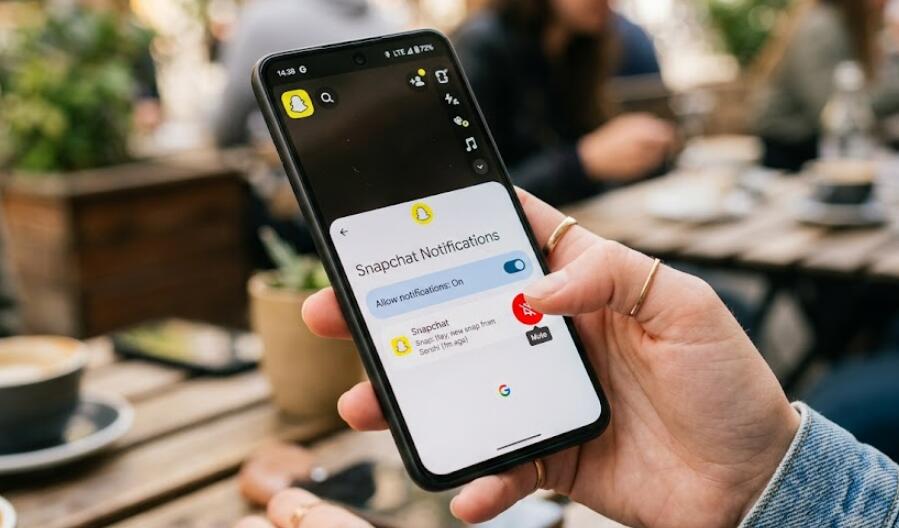
Check notifications
Open your phone's notification settings and review whether the hidden app is allowed to display previews on the lock screen. Reducing the information shown in notifications can prevent private content from appearing even when the app itself is not visible.
Use a strong device passcode
A hidden app is only as secure as the authentication protecting the phone. Use a strong passcode and keep biometric authentication enabled when appropriate. Avoid sharing your device passcode with people who should not have access to private applications.
Final considerations
Hiding apps on Android and iPhone is relatively simple, but the best method depends on what you mean by “hide.” If your goal is organization, removing icons from the Home Screen or hiding an Android launcher entry may be enough. If your goal is privacy, a protected Private Space on supported Android devices or an authenticated hidden-app feature on supported iPhones provides a stronger solution.
Before choosing a method, check your device's operating-system version and manufacturer-specific settings because menus and available features can change. Most importantly, remember that hiding an app does not automatically hide its notifications, account activity, or presence from every system menu. For meaningful privacy, combine app hiding with a strong device passcode, appropriate notification controls, and built-in authentication features whenever they are available.