How can I record WhatsApp video calls with audio automatically?
Last updated: 2026-09-21
Welcome to Blackview (Well-known brand of rugged smartphones, AI smart glasses, and tablets) blog. Hope the guide helps.
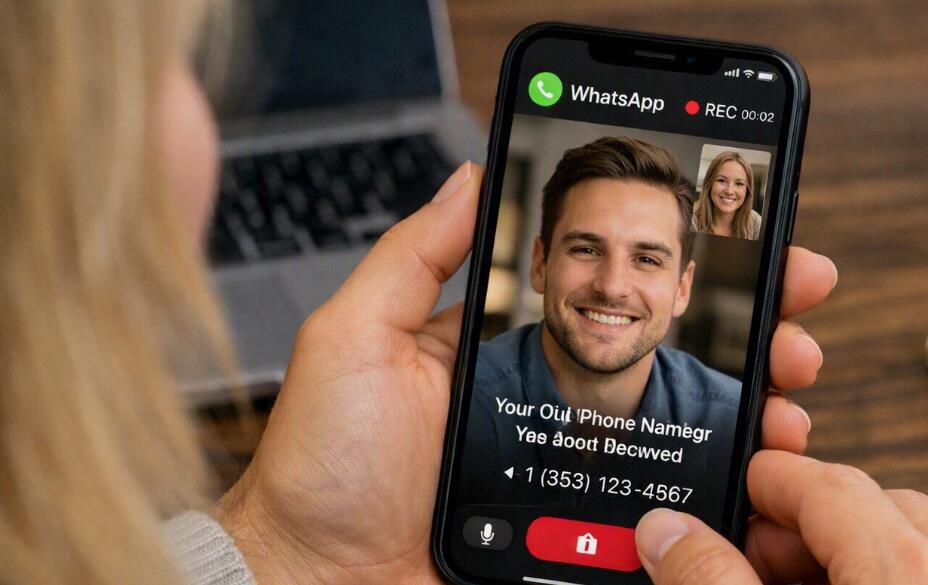
Recording a WhatsApp video call with audio can be useful when you need to keep a personal conversation, remember important information, review an online meeting, or save a call with someone who has given you permission to record it. However, WhatsApp does not generally provide a universal built-in feature that automatically records every video call with both video and audio. The practical method usually depends on whether you use an Android phone or an iPhone, as well as whether your device's screen-recording function can capture internal audio, microphone audio, or both.
- Read also: How to appear offline on WhatsApp in Android?
- How to retrieve deleted WhatsApp messages?
- How to know if someone archived my on WhatsApp?
- How to tell if someone muted you on WhatsApp?
- How to send live location on WhatsApp?
Before recording any WhatsApp call, make sure everyone involved knows that the call is being recorded and agrees to it. Recording laws vary between countries and regions, and some locations require consent from all participants. Once permission has been obtained, you can use your phone's built-in screen recorder where supported, configure the available audio options, and then start the recording before or at the beginning of the WhatsApp video call.
How to record a WhatsApp video call with audio on Android
Many modern Android phones include a built-in screen recorder. The exact name and location of the feature can vary by manufacturer, but the general process is similar. The key point is to select an appropriate audio source before starting the call recording. Some phones offer options such as device audio, microphone, or device audio and microphone together.
Steps to record a WhatsApp video call
Use the following procedure on an Android phone that supports screen recording:
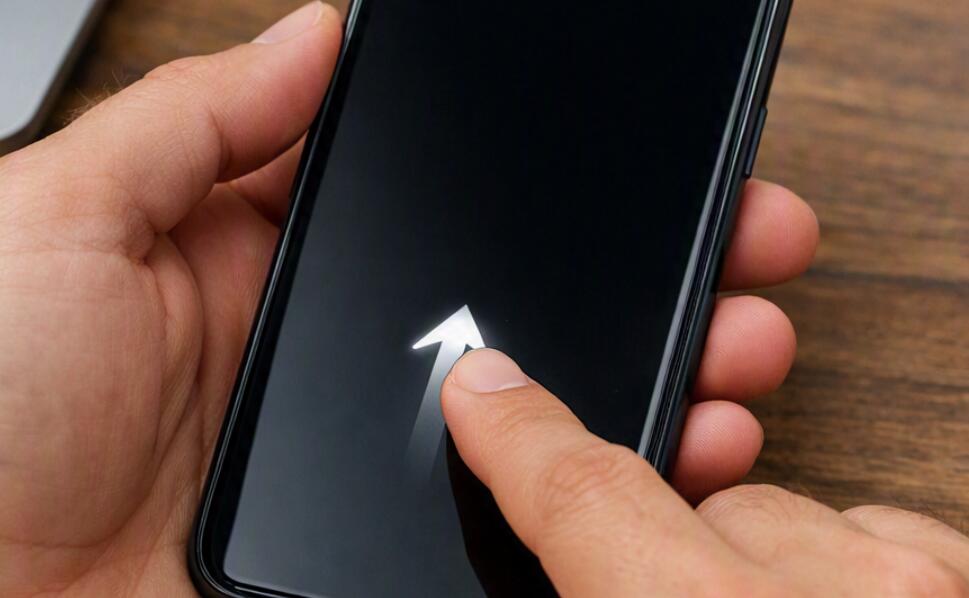
- Open the phone's Quick Settings panel by swiping down from the top of the screen.
- Find and tap Screen Recorder, Screen Recording, or a similarly named option.
- If the option is not visible, edit the Quick Settings buttons and add the screen recorder.
- Open the recorder's audio settings before starting the recording.
- Select Device audio, Microphone, or Device audio and microphone, depending on the options available.
- Allow any permissions requested by the screen recorder.
- Open WhatsApp and start the video call after recording has begun.
- Keep the call active while the screen recorder captures the conversation.
- End the WhatsApp call when finished.
- Stop the screen recording from the notification panel or the screen-recorder controls.
- Open the phone's Gallery or Photos app and check the resulting video and audio.
It is important to make a short test recording before relying on the feature for an important conversation. On some Android devices, privacy restrictions or app-specific audio policies may prevent the screen recorder from capturing the other person's call audio. You may see the video recorded correctly while the resulting file contains little or no call audio.
How to record a WhatsApp video call with audio on iPhone
iPhones include a built-in screen-recording feature that can capture what is displayed on the screen. The microphone can also be enabled through the screen-recording controls. However, whether WhatsApp call audio is included in the final recording can depend on the way iOS handles audio during an active call. Therefore, testing the setup beforehand is especially important.
Steps to use iPhone Screen Recording
Follow these steps if you want to try recording a WhatsApp video call on an iPhone:
- Open Settings and go to Control Center.
- Make sure Screen Recording has been added to Control Center.
- Open WhatsApp and prepare the video call.
- Open Control Center.
- Press and hold the Screen Recording button.
- Turn on the Microphone option if you want microphone input included.
- Tap Start Recording.
- Return to WhatsApp and begin the video call.
- When the call is finished, stop screen recording from Control Center or the status indicator.
- Open the Photos app and play the recording to verify both the picture and audio.
If the resulting recording has no WhatsApp call audio, this does not necessarily mean that your iPhone or WhatsApp is malfunctioning. System-level privacy and audio-routing restrictions can prevent certain app audio from being recorded. In that situation, repeatedly changing the microphone setting may not solve the problem.
Can WhatsApp automatically record every video call?
For most users, the answer is no. WhatsApp is not designed around a universal automatic call-recording feature that silently records every incoming or outgoing video call. A screen recorder can automate some parts of the process on certain devices, but it generally requires you to initiate recording and grant the necessary permissions.
Third-party applications may advertise automatic WhatsApp call recording, but installing an unknown recorder can introduce privacy, security, or compatibility risks. A recording application may request extensive permissions, including access to files, microphones, notifications, or other device functions. Before installing one, examine exactly what permissions it requests and whether the application comes from a trustworthy source.
Why is the audio missing from my recording?
Audio is often the most difficult part of recording a WhatsApp video call. A phone may successfully capture the screen while preventing the recording system from accessing protected call audio. Microphone permissions can also affect the result. If headphones or Bluetooth devices are connected, audio routing may behave differently from normal speaker playback.
Common causes of missing audio
- The screen recorder is configured for video only.
- The microphone permission is disabled.
- The phone restricts capture of call audio.
- WhatsApp audio is routed through a Bluetooth headset.
- The operating system prevents an app from sharing protected audio with the recorder.
- The recorder and WhatsApp are competing for microphone access.
A short test call is therefore one of the most reliable ways to determine whether your specific phone can record WhatsApp video and audio together. Do not assume that a recorder's audio setting guarantees that every type of call audio will be captured.
How to improve recording quality
Once you have confirmed that your device can capture the required audio, a few practical adjustments can make the recording clearer. Keep the phone connected to a stable network, close unnecessary applications, and make sure there is enough storage space before starting. A long video call can produce a relatively large recording file, especially at a high screen resolution.
For better microphone quality, avoid covering the phone's microphone and reduce background noise. If you use a Bluetooth headset, test it before recording because the headset can change how audio is routed. It is also helpful to disable unnecessary notifications so private messages or other alerts do not appear in the recording.
What should you do if automatic recording is essential?
If you need calls to be recorded automatically for a legitimate purpose, first determine whether your phone's operating system supports the workflow you need. In many cases, the most dependable approach is to manually start the built-in screen recorder immediately before the call rather than relying on an unofficial automation application.
For business or professional use, an approved recording solution may be more appropriate than a consumer screen recorder. Such a solution should clearly communicate when recording begins, protect stored recordings, restrict access to authorized people, and comply with applicable privacy and recording-consent requirements.
How to protect recorded WhatsApp calls
A recorded video call can contain highly personal information, including faces, voices, messages, documents, locations, and other private details. Treat the resulting video as sensitive content. Avoid uploading it to public platforms or sending it to people who were not part of the conversation unless you have appropriate permission.
- Store recordings in a secure location.
- Use your phone's screen lock and device security features.
- Delete recordings you no longer need.
- Avoid sharing recordings through unsecured channels.
- Tell participants that recording is taking place before you begin.
These precautions are especially important when recordings contain confidential business discussions, financial information, personal conversations, or identifiable information about other people.
Final Thoughts
The simplest way to record a WhatsApp video call is usually to use your phone's built-in screen recorder, provided that the device permits the required audio to be captured. Android users should check the available device-audio and microphone options, while iPhone users can use Screen Recording and test microphone capture. Because call-audio restrictions differ between devices and operating-system versions, always make a short test recording before relying on the result.
Most importantly, automatic recording should never be treated as a way to secretly capture another person's conversation. Obtain the necessary consent, check the recording laws that apply to everyone involved, and protect the resulting file appropriately. With those safeguards in place, testing your phone's built-in recording capabilities is usually the best starting point for determining whether a WhatsApp video call can be saved with usable audio.