How do I remove nail gel from a phone case?
Welcome to Blackview (Well-known brand of rugged phone, AI smart glasses, and tablet) blog. Hope this guide has been helpful.
Nail glue can leave a stubborn, glossy patch on a phone case, and removing it incorrectly can make the situation worse. Strong nail adhesives are often based on cyanoacrylate, which bonds quickly and can react differently depending on whether the case is made from silicone, TPU, polycarbonate, leather, or another material. The safest approach is to start with the least aggressive method and increase the strength of the treatment only when necessary.
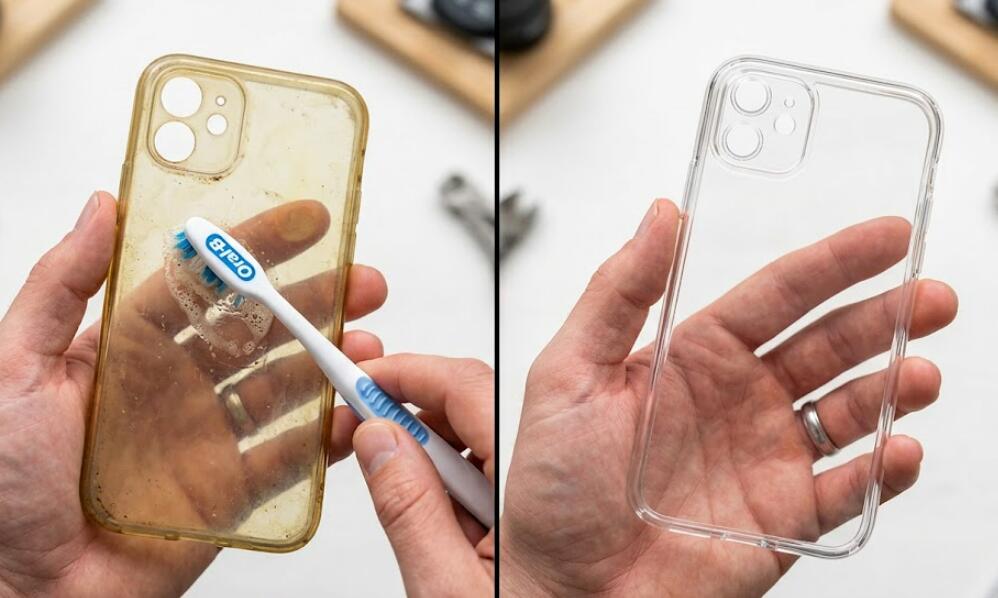
- Read also: How to clean a clear phone case that turned yellow?
- How to turn on my phone while the power button is broken?
- How to know if there is internal damage while dropping your phone?
Before you begin, remove the phone from the case and work on a clean, stable surface. Avoid immediately pouring acetone or nail-polish remover onto the case, because these chemicals can soften plastic, strip coatings, fade colors, or damage printed designs. If possible, test any cleaning method on a small, hidden area first.
Step-by-step: How to remove nail glue from a phone case
The exact method depends on how much glue is present and what your case is made from. Begin with gentle mechanical removal and only move to a stronger solvent if the material can tolerate it.
- Remove the phone from the case. Never attempt to clean the case while the phone is still inside it.
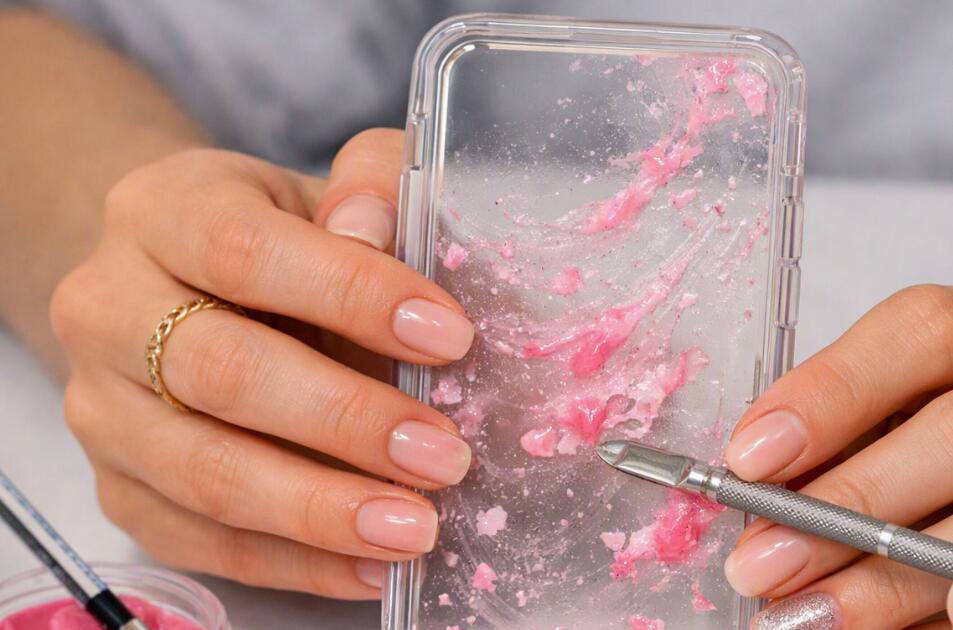
- Let the glue harden completely. If the adhesive is still wet, spreading it can create a larger stain. Allow it to cure naturally.
- Lift the glue gently. Use a fingernail, plastic scraper, old gift card, or other non-sharp plastic edge to work underneath the hardened glue.
- Try warm, soapy water. For silicone or some flexible cases, soak a cloth in warm water with a small amount of dish soap and hold it against the affected area for several minutes.
- Rub carefully. Use a soft microfiber cloth to loosen residue without aggressively scratching the case.
- Use isopropyl alcohol cautiously. If the material permits it, put a small amount on a cotton swab and dab the glue residue rather than soaking the entire case.
- Consider acetone only after checking compatibility. Acetone may damage many plastics and finishes, so use it only if the case manufacturer indicates that the material is compatible.
- Clean the surface afterward. Wipe away remaining cleaner with a slightly damp microfiber cloth, then dry the case thoroughly.
- Inspect before reinstalling the case. Make sure no solvent, moisture, or loose adhesive remains before putting the case back on your phone.
If the glue does not release easily, do not force it with a knife, razor blade, or other sharp metal tool. Scratching the case can permanently damage its surface, while excessive pressure can deform flexible cases.
Identify your phone case material first
The material makes a major difference when removing nail glue. Silicone and TPU cases are flexible and may respond better to gentle soaking and mechanical removal. Hard polycarbonate cases can be more vulnerable to certain solvents, especially if they have a printed or painted finish. Leather and fabric-covered cases require even more caution because liquids can discolor or stain them.
Check the packaging, manufacturer's product page, or markings on the case if you are unsure what it is made from. When the material is unknown, treat it as solvent-sensitive and stick with mild soap, water, and gentle mechanical removal.
Why acetone can be risky
Acetone is effective at breaking down many types of nail glue, which makes it tempting to use immediately. However, effectiveness against the adhesive does not mean it is safe for the case. Acetone can attack certain plastics, coatings, adhesives, dyes, and printed graphics. A clear case may become cloudy, a colored case may lose its finish, or a decorative design may partially dissolve.
If you decide that a solvent is appropriate, use the smallest practical amount and test an inconspicuous area first. Stop immediately if the surface becomes sticky, cloudy, discolored, soft, or otherwise different.
How to remove stubborn residue safely
Sometimes the visible blob disappears but a thin layer of nail glue remains. Instead of repeatedly applying stronger chemicals, allow the residue to harden and carefully roll or lift it away with a plastic edge. A microfiber cloth can help remove tiny particles afterward.
For textured cases, work slowly around grooves and raised patterns. Cotton swabs can provide better control than a cloth when cleaning a small area. Avoid grinding the residue into the texture, since this can make the adhesive more difficult to remove.
How to prevent damage while cleaning
The most important rule is to avoid treating every phone case as if it were a piece of glass or metal. A method that works perfectly on one case can permanently damage another. Do not mix cleaning chemicals, and never combine acetone with other household cleaners. Keep solvents away from your phone, charging ports, speakers, buttons, and other electronics.
After cleaning, let the case dry completely before reinstalling it. If the glue has bonded extremely strongly or the case has a valuable finish, replacing the case may be safer and more economical than attempting increasingly aggressive chemical treatments.
Final thoughts
Removing nail glue from a phone case is mainly a matter of patience and material compatibility. Start by letting the adhesive harden, then gently lift it with a non-sharp tool and clean the remaining residue with mild soap and water. If additional treatment is necessary, use a carefully controlled amount of a compatible cleaner rather than saturating the case.
When in doubt, protect the case before protecting the glue-removal result: test first, use minimal pressure, and avoid acetone unless you know the material can tolerate it. Taking a few extra minutes to identify the case material can prevent a small nail-glue accident from becoming permanent cosmetic damage.