Doubt if there is internal damage while dropping your phone? Here's how to check
Last updated: 2026-08-31
Welcome to Blackview (World's well-known brand of rugged phone and tablet) blog. Hope the guide helps.
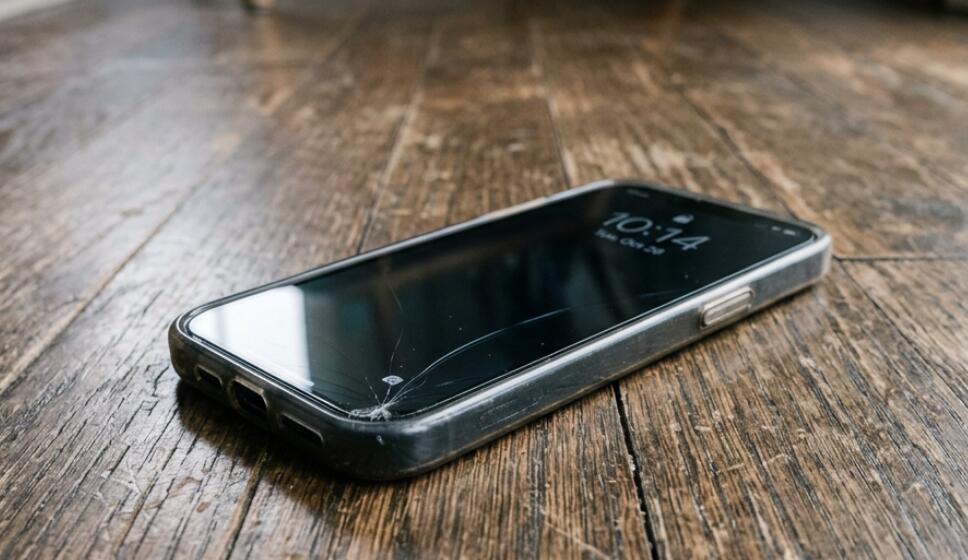
Dropping a phone can be surprisingly stressful, especially when the screen looks perfectly normal afterward. A phone may survive a fall with nothing more than a small scratch, but internal components can sometimes be affected even when there is no visible damage. A hard impact can potentially loosen connectors, damage the battery, affect cameras or speakers, or cause problems that only become noticeable hours or days later.
- Read also: How to fix a cracked Android phone or iPhone screen?
- Can water permanently damage a phone speaker?
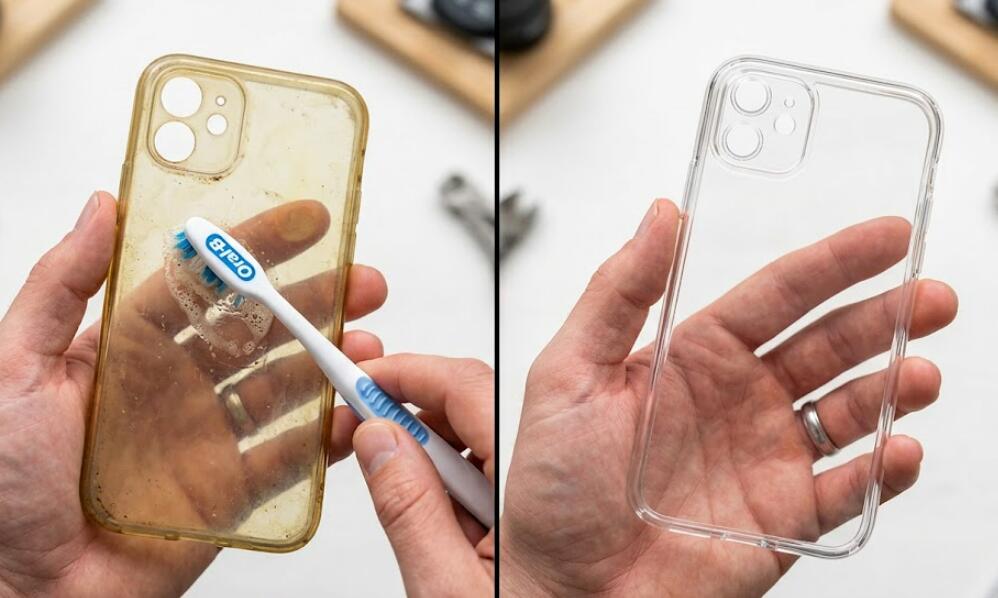
- How to clean a clear phone case that turned yellow?
- How do I turn off apps running in the background?
The good news is that you can perform several practical checks at home before deciding whether professional repair is necessary. The key is to look beyond the display and inspect the phone's essential functions systematically. The following guide explains what to check after a drop, which symptoms deserve attention, and when it is safer to stop using the device.
Will it affects performance?
Maybe, dropping a phone can affect its performance, although the impact is not always immediate or obvious. A fall may damage internal components, loosen connectors, affect the battery, or create problems with the storage and power-management hardware. In some cases, the phone may continue working normally right after the accident and develop performance-related symptoms later.
A noticeable slowdown after a drop does not automatically mean that the phone has suffered internal damage. Software problems, insufficient storage, background processes, overheating, or an outdated operating system can also make a phone feel slower. However, if performance changes appeared immediately after the impact, it is worth checking the device more carefully.
Signs that a drop may have affected performance
- Apps take noticeably longer to open or frequently freeze.
- The phone becomes unusually slow when switching between applications.
- The device unexpectedly restarts or shuts down.
- The touchscreen responds inconsistently or with noticeable delays.
- The phone becomes unusually hot during ordinary tasks.
- The battery drains much faster than it did before the drop.
- Games or demanding applications suddenly perform poorly.
- The phone experiences repeated crashes that were not happening previously.
To determine whether the slowdown is related to the fall, compare the phone's behavior with how it performed before the accident. Test several unrelated applications instead of judging performance from one app alone. If multiple functions become unstable at the same time, particularly when combined with physical damage or unusual heat, the possibility of internal hardware damage becomes more significant.
You should also check the phone's available storage and battery condition before concluding that the drop caused the slowdown. A nearly full storage drive or an aging battery can independently cause performance issues. If the phone was already slow before it was dropped, the timing may simply be coincidental.
Formal inspection begins
Start with a careful physical inspection
Before testing individual features, examine the entire phone under good lighting. Do not immediately press hard on the frame, bend the device, or repeatedly shake it to see whether something is loose. Those actions could make existing damage worse.
- Check the front and rear glass for cracks, chips, or unusual gaps.
- Inspect the frame and corners for dents or signs of significant impact.
- Look along the edges for any part of the housing that appears to be separating.
- Check whether the screen is lifting away from the frame.
- Look at the camera lenses for cracks, fogging, or displacement.
- Inspect buttons and ports for physical deformation.
A screen that is separating from the body is particularly important. Although it can result from impact, a raised or bulging screen can also be associated with a damaged or swollen battery. If the phone appears to be bulging, becomes unusually hot, smells abnormal, or shows other signs of battery damage, stop using it and seek professional assistance rather than attempting to press the phone back together.
Check whether the phone starts and stays on normally
A phone that powers on normally is encouraging, but it does not completely rule out internal damage. Test the device for several minutes rather than relying solely on whether the startup screen appears.
- Turn the phone on if it is powered off.
- Confirm that it reaches the normal lock screen without repeated restarts.
- Unlock it and open several ordinary applications.
- Watch for freezing, sudden shutdowns, graphical glitches, or unexplained lag.
- Leave it running for a while and check whether it remains stable.
Unexpected restarts immediately after a significant drop may indicate a problem involving the battery, power circuitry, storage, or an internal connection. A single software glitch does not necessarily prove hardware damage, but repeated crashes or shutdowns following an impact are worth investigating.
Test the display and touchscreen
The display can appear intact while its underlying components have been affected. A systematic touchscreen test is therefore useful after a fall.
How to test the touchscreen
- Open an app where you can move your finger freely across the entire screen.
- Swipe slowly from one edge to the other.
- Tap icons and buttons in every corner.
- Type on the keyboard and check for missed or repeated touches.
- Look for areas that do not respond consistently.
- Check for flickering, horizontal or vertical lines, unusual colors, or dark areas.
Pay attention to intermittent problems. A damaged connector may not produce an obvious failure immediately. If part of the screen occasionally stops responding, flickers when the phone is moved, or changes appearance unexpectedly, avoid assuming that the issue will disappear on its own.
Test the cameras, microphones, and speakers
Impact damage can affect modules located around the phone's edges and internal assemblies. Cameras and audio components are particularly easy to test without special equipment.
- Open the front and rear cameras.
- Take several photos and record a short video.
- Switch between available camera lenses and check whether they focus correctly.
- Play music or a video through the phone's speakers.
- Make a test recording using the microphone.
- Play the recording back and listen for distortion or missing audio.
Look for new symptoms such as persistent camera blur, autofocus failure, rattling inside the camera area, muffled audio, or a microphone that suddenly becomes extremely quiet. Camera stabilization can also behave differently after an impact, so unusual shaking or difficulty focusing deserves attention if it was not present before the drop.
Check charging, battery behavior, and connectivity
The charging system and battery are among the most important areas to monitor after a serious impact. A phone that charges normally is a positive sign, but you should still watch for unusual behavior.
- Connect the phone to a known-good charging cable and adapter.
- Confirm that charging starts normally.
- Check whether the charging connection repeatedly disconnects without being disturbed.
- Monitor whether the phone becomes unusually hot during ordinary charging.
- Check whether the battery percentage behaves normally.
- Test Wi-Fi, Bluetooth, cellular service, and GPS if practical.
A sudden and substantial change in battery behavior after a drop should not be ignored. Rapid battery depletion, unexpected shutdowns, abnormal heat, or visible swelling can indicate a hardware problem. If the device becomes dangerously hot or shows signs of battery damage, disconnect it from power and stop using it until it has been assessed safely.
Listen for unusual sounds
If you hear a new rattle or clicking sound after dropping the phone, do not automatically assume that a component is loose. Some phones can have normal mechanical sounds associated with camera stabilization. However, a sound that appeared immediately after the impact and was not present before is worth noting.
Do not deliberately shake the phone forcefully to reproduce the noise. Instead, use the phone normally and determine whether the sound occurs when opening the camera, moving the device gently, playing audio, or using another particular function. If the sound is accompanied by camera problems, overheating, charging problems, or other symptoms, professional inspection is advisable.
Check for delayed symptoms
Internal damage does not always appear immediately. Continue observing the phone during the following hours and days, particularly if it experienced a hard fall. Problems that develop later can include intermittent restarts, unstable charging, abnormal battery drain, wireless connectivity issues, display flickering, or functions that stop working sporadically.
Warning signs that should not be ignored
- The phone becomes unusually hot during normal use.
- The screen or back panel begins lifting away from the frame.
- The battery drains dramatically faster than before.
- The phone repeatedly restarts or shuts down.
- Charging becomes unreliable.
- New lines, flickering, dead zones, or discoloration appear on the display.
- The camera, microphone, speaker, or connectivity suddenly stops working.
- You notice smoke, an unusual chemical smell, or obvious battery swelling.
When should you get professional help?
If the phone has only a minor cosmetic mark and every function works normally, continued observation may be reasonable. However, a professional inspection is a better choice when the impact was severe or when multiple functions develop problems. This is especially important when there are signs of battery damage, because batteries can present safety risks if physically compromised.
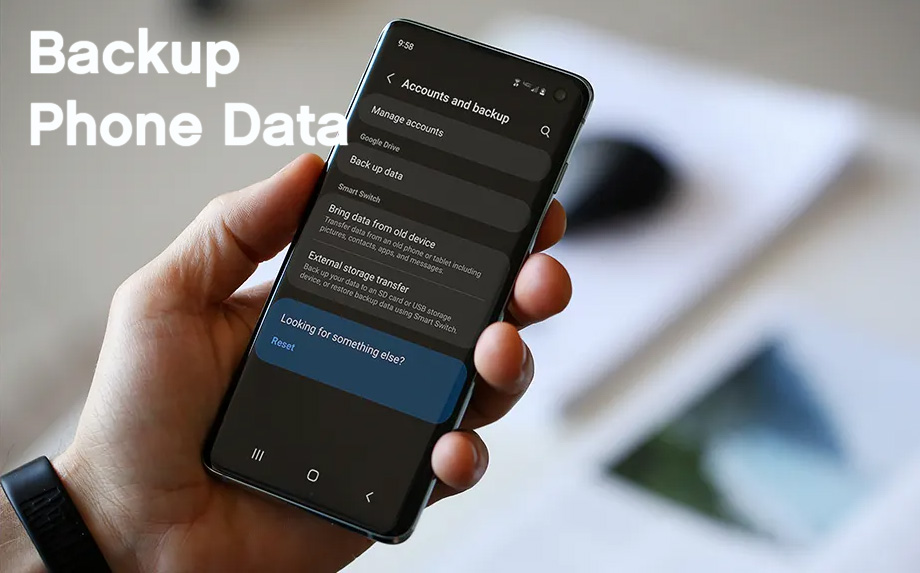
Do not open the phone yourself merely to look for a loose component unless you have the appropriate repair experience and tools. Modern smartphones are tightly assembled, and opening them can damage seals, cables, screens, or other components. If important data is still accessible, make a backup as soon as practical before a suspected hardware problem gets worse.
Conclusion
A dropped phone should be evaluated as more than just a screen. Start with a visual inspection, then test the display, touchscreen, cameras, speakers, microphones, charging system, battery behavior, and wireless connections. Pay special attention to symptoms that were not present before the impact, particularly overheating, swelling, repeated shutdowns, or charging abnormalities.
Ultimately, there is no reliable way to confirm the condition of every internal component through an external inspection alone. If the phone shows warning signs or suffered a particularly hard impact, professional diagnosis is the safest way to determine whether an internal component or connection has been damaged. When everything works normally, backing up your data and monitoring the phone for delayed symptoms can provide additional peace of mind.