How to do if I forgot my phone password & lock pattern & PIN code?
Last updated: 2026-09-22
Welcome to Blackview (World's well-known brand of rugged phone, such as phone with built-in projector, thermal camera phone, best rugged phone with satellite messaging, etc) blog. Hope this guide has been helpful.
Forgetting the password, lock pattern, or PIN used to unlock a smartphone can be stressful, especially when the device contains important photos, messages, contacts, and work files. In most cases, the correct solution depends on the phone's operating system, manufacturer, security settings, and whether you can still access the account associated with the device. Modern phones are deliberately designed to prevent unauthorized access, so there is usually no legitimate universal method for bypassing a forgotten screen lock without verification.
- Read also: How to reset my phone if it's locked?
- How to get old phone number back?
- How to stop call forwarding on Android?
- How to fix a phone failed to send text messages but can receive on Android?
- How to send a text message without showing your number?
If you have forgotten your Android or iPhone screen credentials, start with methods that preserve your data whenever the manufacturer officially provides them. If those options are unavailable, the final solution may involve erasing the device and restoring it from a backup. Before proceeding, avoid repeatedly guessing codes, because some phones impose progressively longer waiting periods after failed attempts, and certain security configurations can eventually erase data.
Check whether you can still use an official recovery option
The first step is to identify the phone and the type of lock you forgot. Determine whether you are using an Android phone or an iPhone, and note whether the forgotten credential is a PIN, password, or pattern. If the phone was recently updated, reset, or restored, it may also request the account credentials associated with the device.
- Stop entering random passwords, PINs, or patterns repeatedly.
- Check whether you remember the Google Account associated with the Android phone or the Apple Account associated with the iPhone.
- Confirm that you know the account password before starting a reset.
- If the phone belongs to an employer, school, or organization, contact the administrator instead of attempting to bypass its security controls.
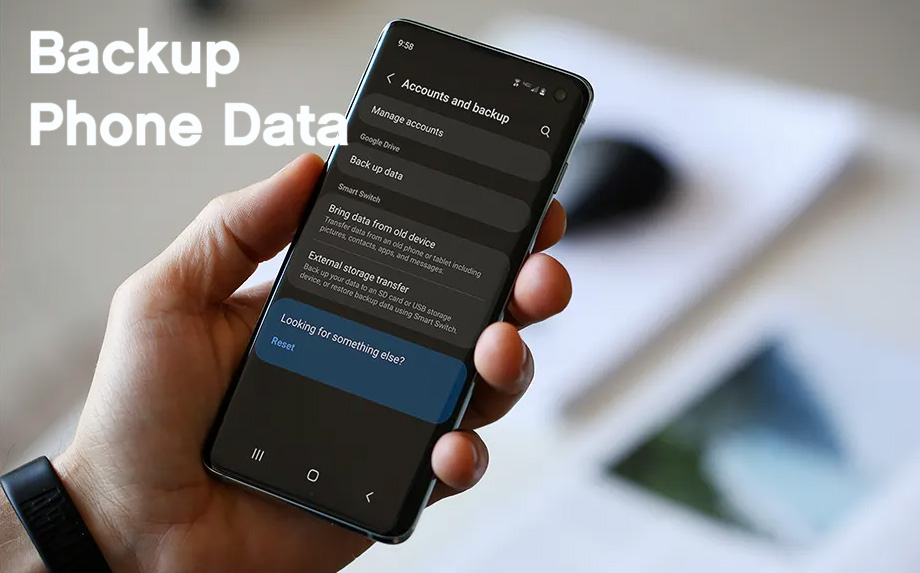
- Check whether important photos, contacts, documents, and messages have already been synchronized or backed up.
These checks are important because a factory reset removes locally stored information, while device-protection systems may still require the previously associated account after the reset. Having the correct account credentials can therefore make the recovery process substantially easier.
Steps for an Android phone
For a modern Android device, the supported recovery path generally involves using Google's or the manufacturer's official device-management and reset features. The exact screens differ between brands such as Samsung, Google Pixel, Xiaomi, OnePlus, Motorola, and others.
- Try the PIN, password, or pattern only if you are reasonably certain you remember it.
- If you cannot unlock the phone, use Google's official device-management options or the manufacturer's documented recovery procedure.
- Sign in with the Google Account associated with the device when verification is requested.
- If the phone must be reset, make sure you understand that locally stored data may be erased.
- Start the official factory-reset process using the instructions for your specific phone model.
- After the reset, connect the phone to the internet.
- Sign in with the previously associated Google Account if Android requests verification.
- Restore available backups during the phone's setup process.
A factory reset should be treated as a last-resort recovery measure rather than a way to bypass the lock screen. Android's device-protection mechanisms are specifically intended to prevent a person who finds or obtains a locked phone from simply resetting it and gaining unrestricted access.
Steps for an iPhone
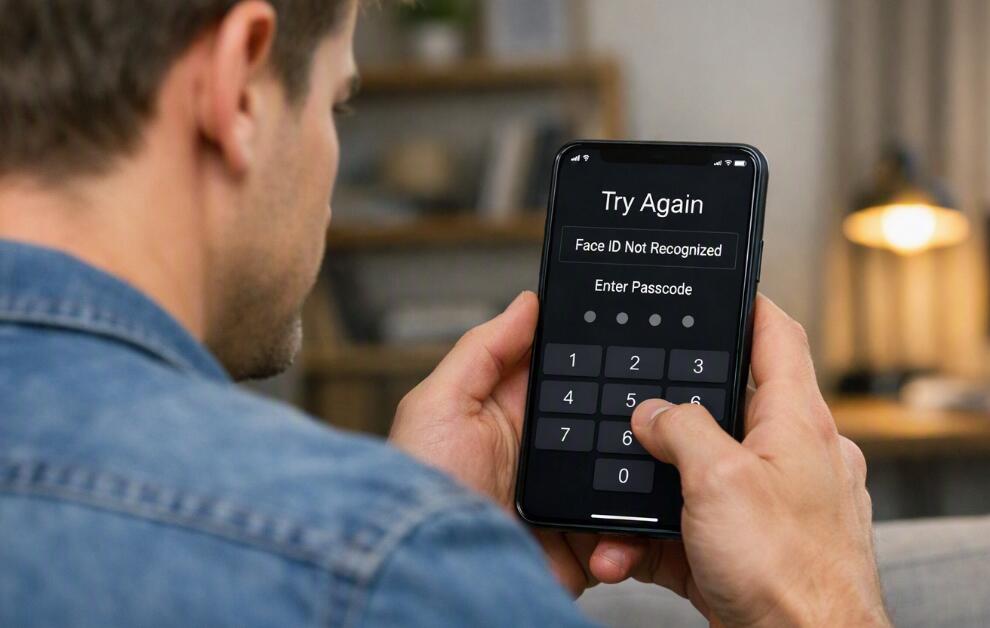
If you forgot your iPhone passcode, Apple's supported recovery process normally requires the device to be erased before you can regain access when the passcode cannot be entered successfully. Depending on the iOS version and circumstances, Apple may provide on-device recovery options or require a computer-based restore.
- Stop repeatedly guessing the passcode.
- Check whether you know the Apple Account credentials associated with the iPhone.
- Determine whether your important information is already backed up to iCloud or another backup location.
- If an official on-device passcode recovery or reset option appears, follow the instructions shown by iOS.
- If that option is unavailable, use Apple's official recovery-mode restore procedure with a Mac or Windows PC.
- Choose the official restore or erase option when prompted.
- Complete the iPhone setup after the erase process finishes.
- Sign in with the Apple Account associated with the device when Activation Lock verification is requested.
- Restore your available backup if one exists.
The key point is that restoring an iPhone does not remove Apple's ownership and security protections. Activation Lock can remain associated with the Apple Account even after the device has been erased. If you purchased a used iPhone and it asks for another person's Apple Account, the previous owner must remove the device from their account through Apple's supported process.
What to do if you forgot an Android lock pattern
Older Android versions and some manufacturer-specific devices have offered different recovery mechanisms for forgotten patterns, but these options vary considerably and may no longer be available on newer versions. Avoid websites or applications claiming that a universal trick can unlock any Android phone without authentication. Such tools may be unreliable, may cause data loss, or may expose your information to security risks.
What happens to your data after a reset?
A factory reset normally removes information stored locally on the device, including installed applications and locally stored user data. Information that was already synchronized with a cloud service or included in a valid backup may be recoverable during setup. This is why checking backups before resetting the phone is so important.
Cloud synchronization is not necessarily the same as a complete device backup. For example, contacts, photographs, application data, and messages may each be handled differently depending on your settings and the services you use. After regaining access, review the backup and synchronization settings so that future device recovery is easier.
How to avoid losing access in the future
Once you regain access to your phone, take a few minutes to strengthen your recovery setup. Use a screen-lock method that is difficult for others to guess but still practical for you to remember. Keep your Apple Account or Google Account recovery information current, and make sure your phone regularly creates the backups you actually need.
When you should contact the manufacturer or service provider
If you cannot remember the required account credentials, the phone is second-hand, or the device becomes stuck during recovery, official support is the safest next step. Have proof of purchase or ownership available when possible. A manufacturer or authorized service provider can explain which recovery options are available for your particular model without relying on unofficial unlocking software.
Important security warnings
Be cautious of services advertising guaranteed screen-lock removal without data loss or account verification. A legitimate recovery process should respect the device's security model and ownership protections. Never give your Apple Account or Google Account password to an unknown unlocking service, and do not install suspicious software merely because it claims to remove a forgotten PIN or pattern.
Final checklist before resetting your phone
Before performing a factory reset, take a final moment to check the essentials. Make sure you know the account credentials that the device may request after the reset, determine whether important information exists in a backup, and confirm that you are following instructions specifically intended for your phone model.
- Identify whether the device is Android or iPhone.
- Identify whether the forgotten credential is a PIN, password, pattern, or iPhone passcode.
- Confirm the associated Google Account or Apple Account.
- Check available cloud backups and synchronized data.
- Use only official recovery and reset procedures.
- Understand that a factory reset can erase locally stored data.
- Keep proof of ownership available if professional support is required.
Forgetting a phone password, lock pattern, or PIN does not necessarily mean that the device is permanently unusable. The appropriate approach is to use the official recovery process for the specific operating system and model, beginning with options that may preserve your data and moving to a factory reset only when necessary. Account credentials and backups are especially important because modern Android and iPhone security systems are designed to prevent unauthorized unlocking.
If you are locked out right now, avoid random bypass tools and repeated guesses. Identify your phone model and operating system first, check your Google Account or Apple Account credentials and available backups, and then follow the manufacturer's official recovery instructions. This approach provides the clearest path back into your device while minimizing unnecessary data loss and protecting the phone's security.