How to enable and stop call forwarding on Android?
Last updated: 2026-09-18
Welcome to Blackview (Well-known brand of rugged phone) blog. Hope this "call forwarding setting" guide has been helpful.
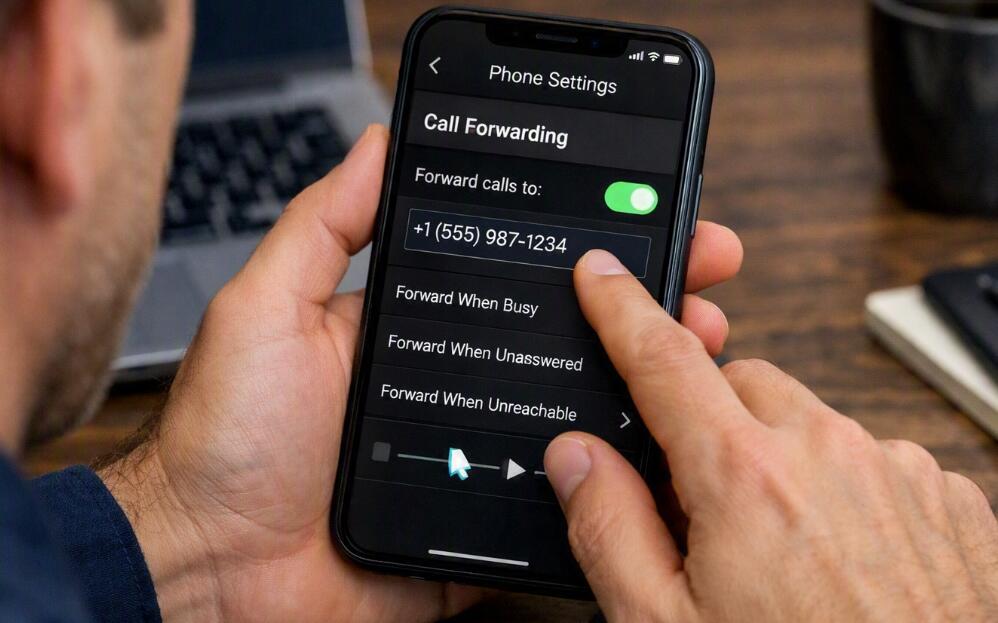
Call forwarding on Android allows incoming calls to be redirected automatically to another phone number. This can be useful when you are unavailable, traveling, using a second phone, or temporarily unable to answer calls. Depending on your mobile carrier and Android phone model, you may be able to forward every call, forward calls only when your line is busy, or redirect unanswered calls after a certain period.
- Read also: Why and how to fix a SIM card is not showing network?
- Phone can make calls but cannot receiving calls? Here's how to fix
- Phone not ringing when you call someone or get a call? Here's how to fix
- How to enable and disable SIM card on Android?
The exact settings can vary between Samsung Galaxy, Google Pixel, Xiaomi, OnePlus, Motorola, and other Android devices because manufacturers may use different Phone apps and menus. Carrier support can also affect which forwarding options are available. The following steps cover the most common Android method, followed by alternative approaches and practical checks if the feature does not appear on your phone.
How to enable & disable call forwarding on Android
Before enabling forwarding, make sure you know the destination phone number and that your mobile plan supports call forwarding. On many Android phones, the setting is found inside the Phone app rather than the main Settings application.
Steps to turn on call forwarding
- Open the Phone app on your Android device.
- Tap the three-dot menu or More options icon.
- Select Settings.
- Look for Calls, Calling accounts, or Supplementary services.
- Tap Call forwarding. On some phones, you may first need to select your SIM or mobile network.
- Choose the forwarding condition you want, such as Always forward, When busy, When unanswered, or When unreachable.
- Enter the phone number that should receive the forwarded calls.
- Tap Turn on, Enable, or a similarly named confirmation button.
- Make a test call from another phone to confirm that the forwarding behavior works as expected.
If your Android interface uses different wording, search within the Phone app's settings for terms such as “forwarding” or “call forwarding.” Some carrier-specific Phone apps may also present forwarding options in a separate network or SIM settings area.
Steps to disable call forwarding
- Open the Phone app.
- Open Settings from the three-dot or More options menu.
- Go to Calls, Calling accounts, or Supplementary services.
- Select Call forwarding and choose the relevant SIM if prompted.
- Select the forwarding rule that is currently active.
- Tap Turn off, Disable, or the equivalent option.
- Repeat for other active forwarding conditions if necessary.
- Make another test call to verify that incoming calls now reach your Android phone normally.
Disabling one forwarding condition does not necessarily disable every other condition. For example, “Always forward” and “When unanswered” can be separate settings. Review the entire call-forwarding menu if calls continue to be redirected.
Understanding the different call forwarding options
Android phones commonly offer several forwarding conditions. Always forward redirects all incoming calls immediately. When busy forwards calls when you are already on another call. When unanswered redirects calls after you do not answer within the carrier's configured period. When unreachable can redirect calls when your phone is switched off, outside network coverage, or otherwise unavailable.
Why call forwarding may not appear
If you cannot find a call-forwarding menu, the limitation may come from your carrier, SIM configuration, Phone app, or Android version rather than the handset itself. Some networks manage forwarding through carrier codes or account portals instead of exposing every option in Android's interface. A dual-SIM phone may also require you to select the specific SIM associated with the mobile number.
How to troubleshoot call forwarding problems
If forwarding refuses to activate, first confirm that the destination number is entered correctly and that your mobile service is functioning normally. Restarting the phone can resolve temporary network-registration problems. You can also check whether another forwarding rule is already active. If the setting immediately switches back off or produces an error, contact your carrier and ask whether call forwarding is enabled for your plan.
Important things to check before using call forwarding
Call forwarding can affect how quickly you receive calls and may have charges depending on the carrier and plan. If you are forwarding calls internationally or to a number outside your usual network, additional costs may apply. It is also worth remembering that forwarded calls may not behave exactly like calls answered directly on your phone, particularly with voicemail and caller-identification features.
Call forwarding is generally easy to control once you locate the correct option in the Android Phone app. The main process is to open Phone settings, find the call-forwarding controls, select a forwarding condition, enter the destination number, and confirm the change. To stop forwarding, return to the same menu and disable the active rule or rules.
Because Android manufacturers and mobile carriers use different interfaces, the menu names and available features can vary. If the standard steps do not match your device, check the Phone app, SIM or calling-account settings, and your carrier's support information. After making any change, place a test call to verify that calls are being routed exactly as you intended.