How do you use a thermal imaging smartphone to detect mold on bread?
Welcome to Blackview (World's well-known brand of military grade rugged phone and tablet) blog. Hope the guide helps.
Mold growth on bread is a common issue in households, bakeries, food laboratories, and storage facilities. While visible mold often appears as green, white, black, or blue fuzzy patches, fungal growth can begin long before it becomes noticeable to the naked eye. As thermal imaging technology becomes more accessible through smartphones equipped with infrared cameras, many people wonder whether these devices can help identify mold contamination on bread before obvious signs appear.

- Read also: How can the temperature readings from a thermal imaging phone be interpreted more accurately?
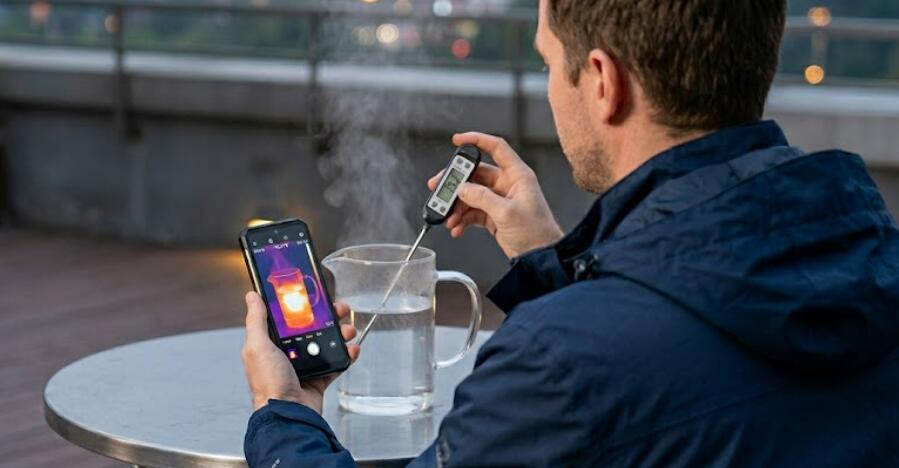
Thermal imaging smartphones work by detecting differences in surface temperature and converting them into color-coded images. Although thermal cameras cannot directly "see" mold, they can reveal temperature variations associated with moisture retention, biological activity, and surface changes that may indicate the presence of mold. Understanding the capabilities and limitations of thermal imaging is essential for obtaining meaningful results when examining bread for potential fungal growth.
Modern thermal imaging phones combine standard camera functions with infrared sensors, allowing users to inspect objects quickly without physical contact. When used correctly, they can provide useful clues about areas where mold may be developing, especially when combined with visual inspection and proper food safety practices.
Understanding How Thermal Imaging Detects Potential Mold Activity
Before using a thermal imaging smartphone, it is important to understand what the technology actually measures. Thermal cameras detect infrared radiation emitted by objects and convert that information into temperature readings.
Why Mold Can Create Temperature Differences
Mold growth often develops in areas with elevated moisture levels. Moisture can influence how heat is absorbed, retained, and released from the bread surface. In some cases, active biological processes may also contribute to slight temperature variations that become visible through thermal imaging.
Limitations of Thermal Detection
A thermal camera cannot directly identify mold species or confirm contamination. It only highlights temperature anomalies that may suggest moisture accumulation or biological activity. Therefore, thermal imaging should be considered a screening tool rather than a definitive mold detection method.
Preparing the Bread and Smartphone for Inspection
Proper preparation improves the accuracy of thermal observations and reduces the chance of misleading results.
Environmental Conditions
Conduct the inspection in a room with stable temperature conditions. Avoid direct sunlight, heating vents, fans, or air conditioners that may artificially alter the bread's surface temperature.
Equipment Check
Ensure that the thermal imaging application is updated and calibrated according to the manufacturer's recommendations. Clean both the visible-light lens and thermal sensor before starting the inspection.
Step-by-Step Process for Using a Thermal Imaging Smartphone
Follow these steps to inspect bread for possible mold-related temperature anomalies.
- Place the bread on a flat, non-reflective surface.
- Allow the bread to sit undisturbed for several minutes so its temperature can stabilize.
- Launch the thermal imaging application on the smartphone.
- Select an appropriate temperature range or automatic mode.
- Hold the smartphone approximately 20 to 50 centimeters from the bread.
- Scan the entire loaf or slice slowly from multiple angles.
- Observe any unusually warm or cool spots that differ from surrounding areas.
- Capture thermal images for later comparison and analysis.
- Switch to the standard camera view and compare thermal findings with visible surface conditions.
- Repeat the inspection under consistent environmental conditions if necessary.
Interpreting Thermal Imaging Results
Understanding thermal patterns is crucial because not every temperature difference indicates mold growth.
Cooler Areas
Regions with increased moisture content may appear cooler than surrounding sections due to evaporative cooling. Since mold often thrives in damp environments, these areas may warrant closer inspection.
Warmer Areas
Localized warm spots can sometimes indicate biological activity or differences in moisture retention. However, warm regions may also result from environmental influences unrelated to mold.
Uniform Temperature Patterns
If the bread displays a relatively consistent temperature profile, there may be no significant moisture concentration or detectable anomaly. Nevertheless, mold can still exist without creating obvious thermal signatures.
Best Practices for More Reliable Detection
Several techniques can improve the usefulness of thermal imaging inspections.
Compare Fresh and Suspect Bread
Scanning a fresh loaf alongside a potentially contaminated one can help identify unusual temperature differences that might otherwise go unnoticed.
Use Multiple Inspection Methods
Thermal imaging should be combined with visual examination, smell assessment, and proper food storage monitoring for a more comprehensive evaluation.
Document Changes Over Time
Capturing thermal images over several days can reveal developing patterns that may correspond to increasing moisture accumulation or mold growth.
Common Sources of False Readings
Many factors can create misleading thermal patterns during bread inspections.
- Recent handling of the bread with warm hands.
- Exposure to sunlight or nearby heat sources.
- Airflow from fans or ventilation systems.
- Differences in bread density or ingredient distribution.
- Reflections from glossy surfaces beneath the bread.
- Variations caused by packaging materials.
Safety Considerations
Even if mold is not clearly visible, bread that shows signs of contamination should not be consumed. Some molds produce spores and toxins that can spread beyond visible growth areas. Thermal imaging may assist in identifying suspicious regions, but it cannot determine whether food is safe to eat.
When to Discard Bread
If visible mold, unusual odors, discoloration, or suspicious thermal patterns are present, disposing of the bread is generally the safest option. Food safety experts typically recommend discarding the entire loaf rather than removing affected sections.
Thermal imaging smartphones offer an innovative way to investigate temperature variations that may be associated with moisture and potential mold development on bread. While these devices cannot directly detect mold, they can provide valuable clues that guide further examination and help identify areas that deserve closer attention.
For the most reliable results, thermal imaging should be used alongside traditional inspection methods and sound food safety practices. By understanding both the strengths and limitations of infrared technology, users can make better-informed decisions when evaluating bread quality and reducing the risk of consuming contaminated food.