[Full Guide] How to hide & unhide a WiFi network?
Last updated: 2026-09-01
Welcome to Blackview (Well-known brand of rugged smartphones, laptops, and wifi only tablets, etc.) blog. Hope the guide helps.
A WiFi network normally broadcasts its network name, also called an SSID, so nearby devices can discover it and display it in their available-network lists. In some situations, however, you may prefer not to broadcast that name. Hiding an SSID can make the network less visible during casual WiFi searches, which can be useful for reducing clutter or limiting accidental connection attempts. It is important to understand, though, that hiding a network name is not the same as making a WiFi network secure or invisible.
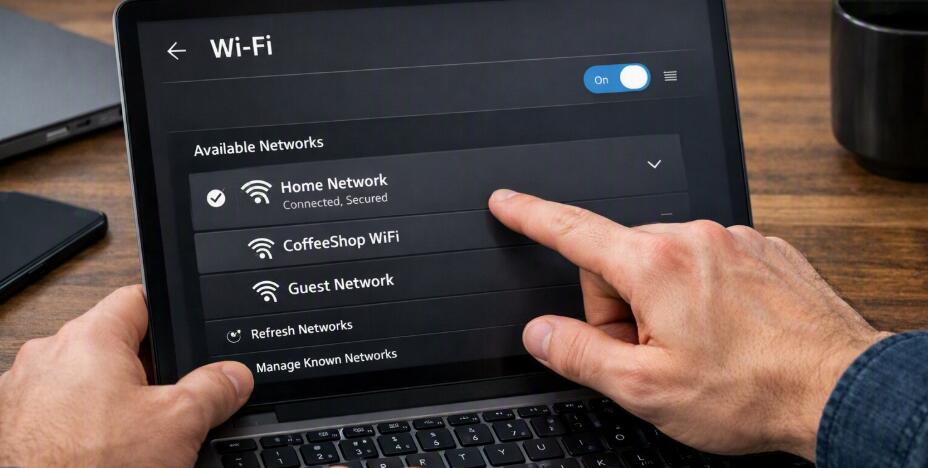
The process of hiding or unhiding a WiFi network is usually controlled through your wireless router's administration interface. The exact menu names vary between router manufacturers, firmware versions, and internet-service-provider equipment, but the underlying settings are generally similar. This guide explains what SSID broadcasting means, how to hide or restore your network name, what changes to expect on connected devices, and which security measures you should use alongside SSID management.
1. Understand What a Hidden WiFi Network Means
When a router broadcasts its SSID, compatible devices can detect the network and show its name when you open the WiFi settings. When SSID broadcasting is disabled, the router stops advertising the network name in the usual way. The wireless network may therefore disappear from the standard list of available networks, although the WiFi signal itself does not disappear.
A hidden SSID should not be considered a security feature by itself. Specialized wireless tools can still detect that a network exists, and hiding the name does not encrypt the wireless traffic. Strong authentication and encryption, such as WPA2 or WPA3 where supported, remain much more important for protecting your network.
2. Find Your Router's Administration Page
Before changing the SSID broadcast setting, you need access to the router's administration interface. This is normally available through a web browser or a manufacturer's mobile application. You may need the router administrator username and password, which are different from the WiFi password on many devices.
- Connect your computer or phone to the router's WiFi network or use an Ethernet connection.
- Open a web browser or the router manufacturer's management application.
- Enter the router's local administration address if using a browser.
- Sign in with the administrator credentials.
- Look for a section named WiFi, Wireless, Wireless Settings, or something similar.
If you cannot access the administration page, check the label or documentation supplied with the router. Some internet providers also manage their routers through a dedicated customer application rather than a traditional web interface.
3. Locate the SSID Broadcast Setting
Once you are inside the wireless configuration area, look for an option controlling whether the network name is broadcast. Depending on the router, it may be called SSID Broadcast, Broadcast SSID, Enable SSID Broadcast, Visibility, or Hide SSID.
Modern routers may provide separate settings for different wireless bands. For example, a router can have separate 2.4 GHz, 5 GHz, and newer-band configurations. If the router treats these networks independently, check each relevant wireless network before assuming that changing one setting has hidden all of them.
4. How to Hide Your WiFi Network
After finding the appropriate wireless setting, disabling SSID broadcasting is generally a simple configuration change. However, the exact wording differs by router, so focus on the meaning of the setting rather than looking for one particular button.
- Open the router's Wireless or WiFi Settings page.
- Select the WiFi band or network you want to hide.
- Find the SSID Broadcast or Hide SSID setting.
- Turn off SSID broadcasting or enable the option labeled Hide SSID.
- Review the remaining wireless settings before applying the change.
- Click Save, Apply, or the equivalent button.
- Wait for the router to apply the new wireless configuration.
Your network name should no longer appear in the ordinary list of discoverable WiFi networks on many nearby devices. Devices that were already connected may remain connected, although behavior can vary depending on the router and client device.
5. How to Connect to a Hidden WiFi Network
Once SSID broadcasting has been disabled, a device generally needs the network name to be entered manually. The device may describe this option as Add Network, Other Network, Join Other Network, or something similar.
- Open the device's WiFi or Network settings.
- Choose the option to add or join another network.
- Enter the WiFi network's exact SSID.
- Select the correct security type if the device asks for it.
- Enter the WiFi password.
- Confirm the connection and wait for the device to authenticate.
The SSID must be entered exactly as configured, including capitalization and special characters. If the network still cannot be joined, verify the security mode, password, and wireless band. A typo in the network name can look like a password or router problem even when the configuration is working correctly.
6. How to Unhide Your WiFi Network
If you decide that hiding the network is inconvenient, you can restore normal SSID broadcasting from the same router settings. This is often useful when adding new devices because users can select the network directly from the available WiFi list instead of entering its details manually.
- Sign in to your router's administration interface.
- Open the Wireless or WiFi Settings section.
- Select the hidden wireless network or relevant frequency band.
- Turn on SSID Broadcast or disable Hide SSID.
- Click Save or Apply.
- Wait for the router to restart or refresh its wireless service if necessary.
- Open WiFi settings on a nearby device and confirm that the network name appears.
Unhiding the SSID does not normally require changing your WiFi password. If the network was already secured with a strong encryption method, that security configuration can remain in place.
7. Troubleshooting Hidden WiFi Networks
If the network does not behave as expected after changing the setting, start by confirming that the correct SSID and wireless band were modified. Routers with multiple bands can make troubleshooting confusing because each band may have its own name or visibility setting.
- Network still appears: Check whether another wireless band or guest network is broadcasting a similar SSID.
- Devices cannot connect: Verify the exact SSID, password, and security type.
- Previously connected devices disconnect: Reconnect them manually if the router's configuration change interrupted the wireless session.
- Router settings do not save: Make sure you have administrator privileges and try accessing the management interface again.
- New devices cannot find the network: Remember that a hidden SSID usually requires manual network entry.
If the router is supplied by an internet provider, some advanced wireless options may be restricted or controlled through the provider's application. In that situation, consult the router's official documentation or the provider's support resources rather than changing unrelated settings.
8. Improve WiFi Security Beyond Hiding the SSID
Hiding a WiFi network can reduce its visibility in ordinary network lists, but it should not be your primary security measure. A better security strategy combines modern wireless encryption, a strong unique password, updated router firmware, and sensible network configuration. Where supported by your equipment, WPA3 provides a modern security option; WPA2 remains widely supported by older devices.
- Use WPA3 when your router and devices support it.
- Use a strong, unique WiFi password rather than a short or predictable phrase.
- Keep the router's firmware updated.
- Change default administrator credentials when the router permits it.
- Disable unnecessary remote-administration features.
- Use a separate guest network for visitors or less-trusted devices when appropriate.
- Review connected devices periodically and remove unfamiliar devices.
Ultimately, whether you should hide your SSID depends on your goal. If you want convenience, broadcasting the network name is usually easier for households with many devices. If you prefer not to advertise the name in ordinary WiFi lists, disabling SSID broadcasting is an available option. Either way, strong encryption and a secure password provide far more meaningful protection than SSID hiding alone.
Hiding or unhiding a WiFi network is mainly a matter of changing the router's SSID broadcast setting. To hide it, disable SSID broadcasting in the wireless settings; to make it visible again, enable broadcasting and apply the change. Once hidden, new devices generally need the exact network name and password to connect manually, so keeping those details available is important.
For most home networks, the best approach is to treat SSID hiding as an optional convenience or visibility preference rather than a security solution. Keep your router updated, use strong wireless encryption and a unique password, and review your connected devices regularly. These measures provide a much stronger foundation for a safe and reliable WiFi network.