How to get rid of boring ads on your phone (Android/iPhone)?
Last updated: 2026-10-19
Welcome to Blackview (World's well-known brand of rugged smartphones, including rugged phone with projector, thermal camera phone, and rugged phone with eSIM, etc.) blog. Hope the guide helps.
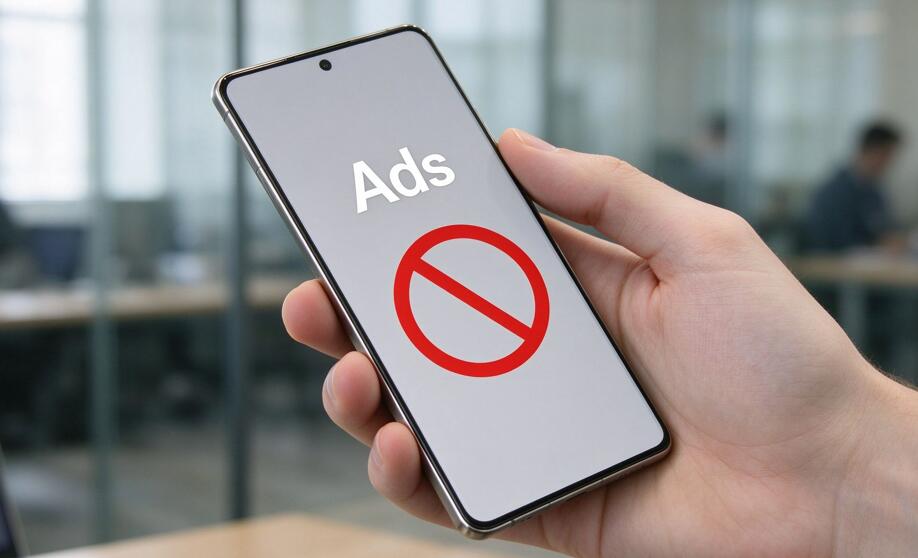
Seeing ads pop up every time you unlock your phone, browse the web, play a game, or open an app can be frustrating. Whether you use an Android phone or an iPhone, mobile advertisements can appear in many forms, including browser pop-ups, banner ads, video ads, personalized promotions, and even full-screen advertisements that interrupt what you are doing. Some ads are legitimate parts of free apps and websites, while others may come from suspicious websites, intrusive notifications, or apps that display unwanted content. Fortunately, you can reduce many of these interruptions by adjusting your phone's settings, changing your browser configuration, and identifying the source of unwanted ads.
- Read also: How to free up storage space on your phone?
- How to remove magnetic popsocket from phone case?
- How to remove unwanted manufacturer built-in apps in Android?
- How to hide the navigation bar on Android?
- How to lock and unlock apps in Android?
The best way to block ads depends on where they appear. Browser advertisements can often be limited through built-in privacy and content-blocking features, while app advertisements may require different solutions. If ads suddenly appear over your home screen or other apps, you may need to investigate recently installed applications rather than simply changing your browser settings. This guide explains why ads appear on mobile phones and provides practical, step-by-step instructions for blocking different types of advertisements on Android and iPhone.
Why Do Ads Keep Appearing on Your Phone?
Mobile advertisements are not always caused by the same source. Understanding where they originate is the first step toward choosing an effective solution.
- Free apps and games: Many developers display advertisements to support free downloads, offer in-app purchases, or generate revenue. These ads typically appear inside the app itself.
- Browser advertisements: Websites may display banners, pop-ups, autoplay videos, or advertising redirects when you visit their pages.
- Website notifications: If you previously allowed a website to send notifications, it may deliver promotional messages directly to your notification panel.
- Personalized advertising: Advertising systems may use permitted device identifiers, activity signals, or other information to select relevant ads. Limiting personalization does not necessarily stop ads from appearing.
- Ad-supported system services: Some phone manufacturers include promotional recommendations in system applications, app stores, or content feeds.
- Adware or suspicious applications: Certain apps display intrusive advertisements outside their normal interfaces, potentially including full-screen ads or unexpected overlays.
The distinction matters because blocking browser pop-ups will not necessarily remove advertisements inside games, and disabling personalized ads will not eliminate all advertising. Start by identifying whether the ad appears in a particular website, a specific app, your notification panel, or across the entire phone.
How to Block Ads on an Android Phone
Android offers several ways to limit advertisements, including browser settings, notification controls, privacy options, and app permissions. Menu names may vary depending on your Android version and phone manufacturer.
Block Pop-Up Ads and Redirects in Google Chrome
If unwanted advertisements appear while browsing with Chrome, begin with its built-in protections.
- Open Google Chrome on your Android phone.
- Tap the three-dot menu in the upper-right corner and select Settings.
- Open Site settings, then select Pop-ups and redirects.
- Turn off the option that allows sites to send pop-ups and redirects, if it is enabled.
- Return to Site settings and open Intrusive ads or Ads, depending on your version. Block intrusive advertising where the option is available.
- Revisit the affected website and check whether the unwanted behavior has stopped.
These settings help prevent certain disruptive advertisements, but they do not block every banner, sponsored result, or video ad. Avoid tapping suspicious pop-ups that claim your phone is infected or that you must install an unknown security application.
Block Website Advertising Notifications on Android
If advertisements appear in your notification panel even when Chrome is closed, a website may have permission to send notifications.
- Open Chrome and navigate to Settings.
- Tap Site settings, then Notifications.
- Review the list of websites that can send notifications.
- Select a suspicious or unwanted website and block its notifications.
- If you do not recognize a website, remove its notification permission rather than opening its promotional messages.
You can also long-press an unwanted notification and open its notification settings to identify which app sent it. If the notification comes from a different browser or application, adjust permissions in that app instead.
Stop Full-Screen Ads Appearing Outside Apps
When ads appear over your home screen, lock screen, or unrelated applications, a recently installed app may be responsible. Browser settings alone may not solve this problem.
- Open Settings and select Apps or Apps management.
- Review recently installed applications, especially unfamiliar launchers, cleaners, wallpaper apps, free utilities, or apps installed shortly before the ads began.
- Check each suspicious app's permissions. Depending on your Android version, look under Special app access for Display over other apps or Appear on top.
- Disable this permission for apps that do not legitimately need it.
- Uninstall suspicious applications you no longer trust.
- Open Google Play Store, tap your profile picture, and select Play Protect. Run a scan if the feature is available.
Some legitimate apps need overlay permissions for accessibility tools, chat bubbles, or screen filters. Avoid disabling permissions indiscriminately; focus on unfamiliar applications associated with the unwanted ads.
Reduce Advertising Personalization on Android
Privacy settings can reduce the use of certain identifiers for advertising, although they generally cannot remove ads from every app.
- Open Settings and search for Ads or Advertising ID.
- Open the advertising settings available on your device.
- If supported, delete or reset the advertising ID according to your preferences.
- Review privacy settings in your Google account and disable relevant ad personalization options if you prefer less targeted advertising.
- Restart the affected app and review its own privacy settings.
Android menus vary across devices, and deleting an advertising ID does not guarantee that advertising or measurement based on other signals will stop.
How to Block Ads on an iPhone
iOS provides built-in controls for Safari, website notifications, and app permissions. You can also use compatible content blockers to filter supported advertisements while browsing.
Block Pop-Ups and Reduce Tracking in Safari
Safari's built-in settings are a good starting point for reducing unwanted website interruptions.
- Open the Settings app on your iPhone.
- Scroll down to Apps, select Safari, or open Safari directly in Settings on older iOS versions.
- Enable Block Pop-ups.
- Enable Fraudulent Website Warning if the option is available.
- Find the Privacy and Security section and enable Prevent Cross-Site Tracking.
- Open Safari and test the website where the pop-ups previously appeared.
Blocking pop-ups does not remove every advertisement on a webpage. Prevent Cross-Site Tracking limits certain tracking practices but is not a universal ad blocker.
Use a Content Blocker for Safari Ads
If you want to reduce banner ads and other supported advertising elements in Safari, consider a reputable content-blocking app from the App Store.
- Open the App Store and search for a Safari content blocker.
- Check its privacy policy, developer information, ratings, and subscription requirements before installing it.
- Open the newly installed app and follow its setup instructions to enable its content-blocking rules.
- Go to Settings, then Apps, then Safari, and locate Extensions or Content Blockers, depending on your iOS version.
- Enable the blocker and grant only the permissions necessary for its intended function.
- Reopen Safari and test several websites to confirm that the blocker is working.
Safari content blockers primarily affect supported content in Safari. They generally cannot remove every advertisement displayed inside unrelated iPhone apps.
Stop Unwanted Website Notifications on iPhone
Unlike some desktop browsers, Safari on iPhone does not generally provide the same website push-notification workflow found on desktop systems. If unwanted notifications appear, first identify their source.
- When an unwanted notification appears, check which app sent it.
- Open Settings and select Notifications.
- Find the relevant app in the list.
- Turn off Allow Notifications if you no longer want that app to send alerts.
- If the notification comes from another browser or an installed web app, review that app's own notification settings.
Disabling notifications stops alerts from the selected app, but it does not necessarily block advertisements displayed when you open that app.
Reduce Personalized Ads on iPhone
You can also review Apple's advertising privacy options. These settings affect personalization rather than removing all ads.
- Open Settings on your iPhone.
- Navigate to Privacy & Security.
- Open Apple Advertising, if available.
- Turn off Personalized Ads if you do not want Apple to personalize advertising using information covered by that setting.
- Review the privacy and tracking permissions of individual apps.
Turning off personalized ads does not prevent all advertisements from appearing in third-party apps, websites, or other services.
Block Ads Inside Apps and Games
Ads that appear only while using a particular game, video app, or free utility are usually controlled by that app or its advertising partners. Browser settings and Safari content blockers will not necessarily affect them.
- Check the app's settings. Look for options to disable promotional messages or personalized advertising.
- Consider an official paid version. Some apps offer an ad-free subscription or a one-time purchase that removes advertisements.
- Review alternative apps. If advertising is excessive, consider switching to a reputable alternative with a better user experience.
- Limit unnecessary tracking. On iPhone, review Settings under Privacy & Security and Tracking. On Android, review the advertising and privacy controls available on your device.
- Be cautious with network-wide blockers. Private DNS services and filtering apps may block some advertising domains, but they can also interfere with app functionality and do not block every ad.
Avoid downloading modified apps or unknown APK files that promise unlimited ad-free access. They may contain malware, request excessive permissions, or compromise your personal information.
What to Do If Ads Still Appear
If advertisements continue after you change the relevant settings, troubleshoot the source rather than repeatedly changing unrelated options.
- Note when the ads appear and which app is open at the time.
- Update your operating system, browser, and affected applications.
- Clear the affected browser's cached data if a particular website keeps redirecting you.
- Remove unfamiliar apps installed shortly before the problem started.
- Review notification permissions and special app permissions.
- Restart your phone and test whether the ads continue.
- If the issue persists, consult your device manufacturer's official support resources before considering a factory reset.
Never call a phone number or install software simply because a pop-up claims your device has a virus. Close the page, avoid interacting with the alert, and use trusted security tools if you suspect a genuine problem.
Final Thoughts
Blocking ads on an Android phone or iPhone starts with identifying where the advertisements originate. On Android, you can manage Chrome pop-ups, website notifications, app overlays, and advertising privacy settings. On iPhone, Safari's pop-up protection, content blockers, notification controls, and privacy settings can help reduce unwanted interruptions. Each solution addresses a different type of advertising, so choosing the right one is more effective than changing every setting at once.
Remember that no single setting can eliminate every advertisement across your entire phone. Some ads are built into free apps, while others originate from websites or potentially unwanted software. By reviewing permissions, choosing trustworthy applications, keeping your phone updated, and using the appropriate browser protections, you can significantly improve your mobile browsing experience while protecting your privacy and security.