[Full Guide] How to download the music on Android phones/tablets?
Last updated: 2026-08-20
Welcome to Blackview (World's well-known brand of rugged phone and tablet) blog. Hope the guide helps.
Downloading music on an Android device can be a convenient way to enjoy your favorite songs when you are traveling, commuting, exercising, or simply want to save mobile data. Unlike streaming, downloaded music can usually be played without a constant internet connection, provided that the app or service supports offline listening. Android users have several legitimate options, including official music-streaming applications, music stores, artist websites, and other platforms that provide authorized downloads.
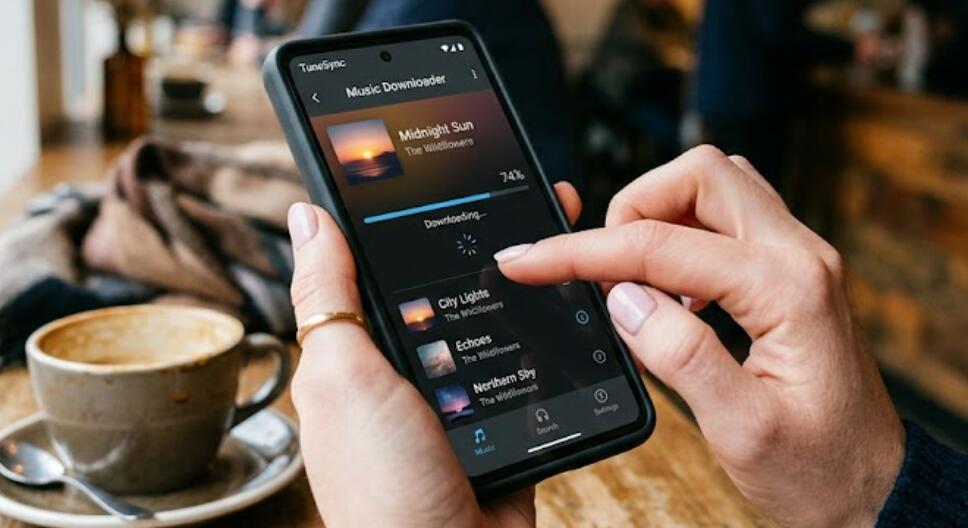
Before downloading anything, it is important to understand that not every online music file can legally or safely be downloaded. The best approach is to use an official download feature or obtain music from a source that clearly gives you permission to save the track. The following guide explains the main methods, the basic steps involved, storage considerations, and troubleshooting tips so you can build an offline music library on an Android phone or tablet without unnecessary risks.
1. Download Music Through an Official Music App
One of the simplest methods is to use a music-streaming service that provides an offline-download feature. Many popular Android music applications allow eligible users to save albums, playlists, or individual songs for offline playback. In most cases, the downloaded files remain inside the application rather than appearing as ordinary MP3 files in your Downloads folder.
- Open the official music application on your Android device.
- Sign in to the account associated with your subscription or purchase.
- Search for the song, album, or playlist that you want to listen to offline.
- Open the relevant album, playlist, or track page.
- Tap the Download button or the download icon.
- Wait until the download indicator confirms that the content is available offline.
- Open the app's Downloads or Offline section to listen without an internet connection.
Keep in mind that offline downloads from streaming services are generally protected by the service's licensing system. This means you normally cannot copy the downloaded songs to another music player or transfer them as unrestricted audio files. You may also need to reconnect to the internet periodically so the application can verify your account and download rights.
2. Purchase and Download Music as Audio Files
If you want greater control over your music collection, purchasing downloadable music from a legitimate digital music store can be a better option. Depending on the store, purchased tracks may be provided as MP3, FLAC, or another standard audio format. These files can generally be stored locally and played with compatible Android music players.
- Choose a reputable music store that offers authorized downloads.
- Purchase the song, album, or other music you want.
- Open the store's download page or access the download link provided after purchase.
- Tap the download option and allow the browser or application to save the file.
- Check the Downloads folder or the location selected by the application.
- Move or organize the files into a dedicated Music folder if necessary.
- Open the files with your preferred Android music player.
This method is particularly useful for people who want to keep their music independently of a streaming subscription. However, always check the file format, quality, licensing terms, and download limitations before completing a purchase.
3. Download Music Provided Directly by Artists
Some musicians and independent artists make their music available through their own websites or authorized distribution platforms. These sources may offer free downloads, paid downloads, promotional tracks, or special editions. Because the artist or rights holder controls the distribution, this can be an excellent way to support creators while obtaining music legally.
- Visit the artist's official website or an authorized music platform.
- Find the track or album that is explicitly offered for download.
- Review the download and usage terms.
- Select the available audio format.
- Confirm the download and save the file to your Android device.
- Locate the downloaded file with a file manager.
- Move it to your preferred Music folder if you want easier organization.
Be cautious when a website claims to provide every popular song for free. If a site does not clearly have permission to distribute copyrighted music, downloading from it can create legal, security, or privacy problems.
4. Find and Organize Downloaded Music on Android
After downloading ordinary audio files, knowing where Android stores them makes managing your collection much easier. Most browsers save downloaded files in the device's Download folder by default, although the exact location can vary depending on the browser, Android version, and user settings.
- Open the Files, My Files, or another trusted file-management application.
- Open the Downloads folder.
- Look for files with common audio extensions such as MP3, M4A, WAV, or FLAC.
- Create a Music folder if you want to keep your collection organized.
- Create separate folders for artists, albums, or genres if desired.
- Move downloaded files to the appropriate folders.
- Open your music player and allow it to scan for newly added audio files.
Good organization becomes increasingly important as your collection grows. Meaningful filenames and consistent folder structures make it easier to locate individual songs and prevent duplicate downloads.
5. Choose the Right Audio Quality
Audio quality affects both listening experience and storage consumption. A compressed MP3 can require considerably less storage than a lossless FLAC file, while higher-bitrate versions generally require more space. For everyday listening with standard headphones or Bluetooth devices, a moderately high-quality compressed format may provide a practical balance.
Storage and File Size
Before downloading a large collection, check how much free storage is available on your Android device. If internal storage is limited, consider deleting duplicate files, moving music to supported external storage, or choosing more efficient audio formats. Remember that offline downloads from streaming apps may also consume significant storage even though they are not ordinary transferable audio files.
Battery and Mobile Data
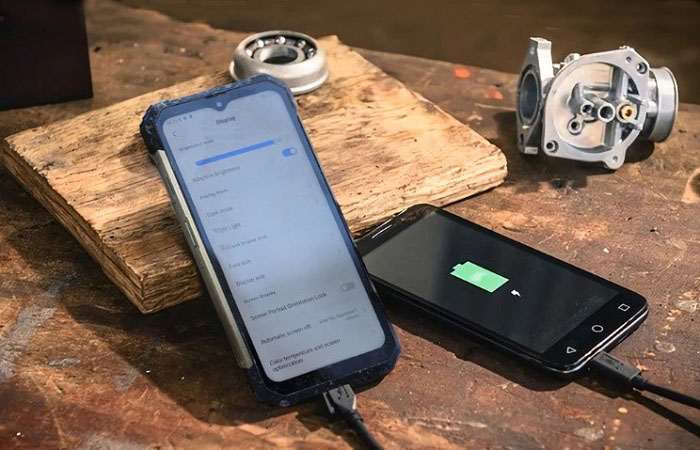
Large downloads can consume mobile data and battery power. Whenever possible, download albums or playlists while connected to a reliable Wi-Fi network and keep the device connected to a charger when downloading a particularly large library.
6. Troubleshoot Common Download Problems
Sometimes a download may fail because of insufficient storage, an unstable connection, application restrictions, or account limitations. Start by checking whether your Android device has enough free space and whether the application is connected to the internet.
- Check your available storage space.
- Confirm that Wi-Fi or mobile data is working correctly.
- Restart the music application if a download remains stuck.
- Update the application through its official distribution channel.
- Check whether your account or subscription permits offline downloads.
- Try downloading a smaller album or playlist to determine whether the problem is file-specific.
- Restart the Android device if the application continues to behave unexpectedly.
If an official app reports that a previously downloaded song is unavailable, the licensing status or your account permissions may have changed. In that situation, avoid attempting to bypass the application's restrictions and instead check its help or account settings.
7. Stay Safe When Downloading Music
Security is just as important as convenience. Music files obtained from unknown websites can sometimes be accompanied by deceptive advertisements, unwanted applications, or malicious downloads. Android users should therefore prefer official applications, established stores, and websites operated by artists or authorized distributors.
- Download applications only from trusted sources.
- Avoid suspicious websites promising copyrighted music without authorization.
- Do not install an APK simply because a music-download website tells you to do so.
- Review unusual permission requests carefully.
- Keep Android and your installed applications updated.
- Do not enter payment information on unfamiliar music websites.
A legitimate download process should not require you to disable important Android security features just to obtain a song. If a website or application uses aggressive pop-ups, redirects, fake download buttons, or unusual installation instructions, it is safer to leave the site.
8. The Best Method Depends on Your Needs
There is no single download method that is perfect for every Android user. Streaming-app downloads are convenient for offline listening and require very little file management, while purchased audio files provide greater ownership and portability. Direct artist downloads can also be attractive because they may offer unique releases and provide direct support to musicians.
For Convenient Offline Listening
Choose an established streaming application with an official offline feature. This is usually the easiest option when you already use a subscription service and do not need individual audio files.
For Long-Term Personal Libraries
Consider purchasing downloadable music in a standard audio format from an authorized store. Properly organized files can be backed up and played using compatible music applications without depending entirely on a particular streaming service.
For Supporting Independent Artists
Look for official artist pages and authorized platforms that provide legitimate downloads. This can give you access to independent releases while helping creators earn revenue or build an audience.
Conclusion
Downloading music on Android is straightforward when you use legitimate sources and the appropriate method for your needs. Official offline features are ideal for convenient streaming, while authorized audio-file purchases and artist-provided downloads are better suited to users who want locally stored music. Once the files are downloaded, Android's file-management tools can help you organize your collection by artist, album, or genre.
The key is to balance convenience, audio quality, storage capacity, and legal access. Avoid suspicious download sites and unauthorized copies, keep your device secure, and use official download functions whenever possible. With these practices, you can create a reliable offline music collection and enjoy your favorite tracks on an Android device even when an internet connection is unavailable.