[AI palm] What do palm reading lines mean?
Welcome to Blackview (Well-known Chinese brand of AI smart glasses, rugged smartphones and Android tablets) blog. Hope this guide has been helpful.
Palm reading, also known as palmistry, is an ancient practice that interprets the lines, shapes, and features of the hands to explore personality traits, emotional tendencies, and possible life experiences. For centuries, people have examined their palms in search of clues about love, health, career development, and personal destiny. Although palmistry is not scientifically proven, it remains a fascinating subject for people interested in traditional beliefs and self-discovery.
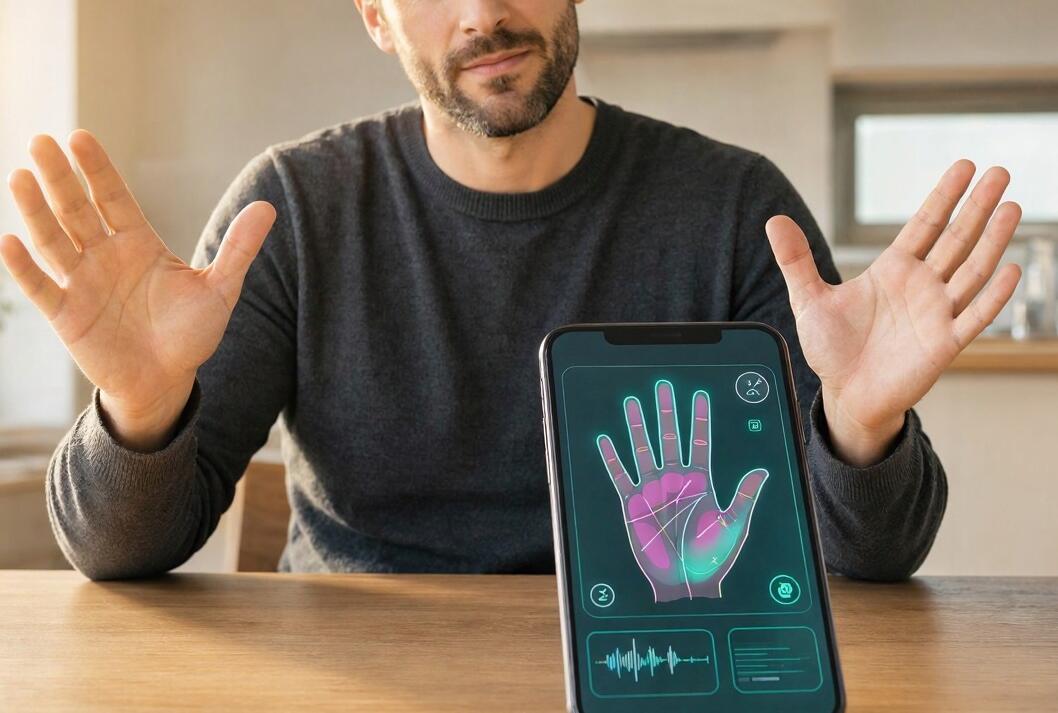
Today, as artificial intelligence becomes increasingly popular, AI palm reading apps are making this traditional practice more accessible than ever. Users can simply download an app on their smartphones, upload a clear picture of their palms, and receive an automated interpretation within seconds. Some people even search for the best free palm reading scanner apps to explore their palm lines conveniently. But what do these lines actually mean? Which hand is used for palm reading? How does AI interpret them? Let's explore the five major palm reading lines and discover what you should know before using an AI palm reading app.
Palmistry traditionally focuses on five major lines. Each has its own symbolic meaning, and palm readers examine its length, depth, shape, and position to develop an interpretation.
What is the life line?
The life line is one of the most recognizable lines on the palm. It usually begins between the thumb and index finger and curves around the base of the thumb toward the wrist.
In traditional palmistry, the life line is associated with vitality, physical energy, major life changes, and overall life experiences. Its characteristics are commonly interpreted in the following ways:
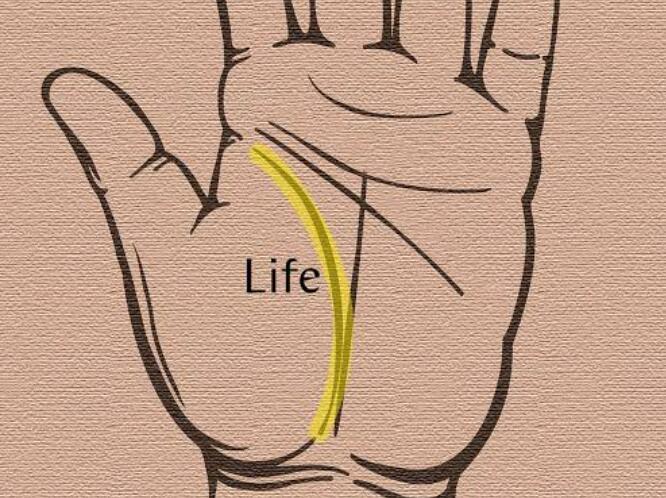
- Long and deep life line: Traditionally associated with strong vitality, energy, and an active lifestyle.
- Short life line: Sometimes interpreted as independence or a preference for a particular lifestyle.
- Curved life line: Often associated with enthusiasm, openness, and a willingness to explore new experiences.
- Broken life line: Traditionally interpreted as representing transitions, unexpected changes, or turning points.
- Faint life line: Sometimes associated with sensitivity or fluctuating energy levels.
It is important to understand that the length of your life line cannot predict how long you will live. It is not a medical indicator of health or life expectancy. Instead, palmistry treats it as a symbolic representation of vitality and personal experiences.
What is the heart line?
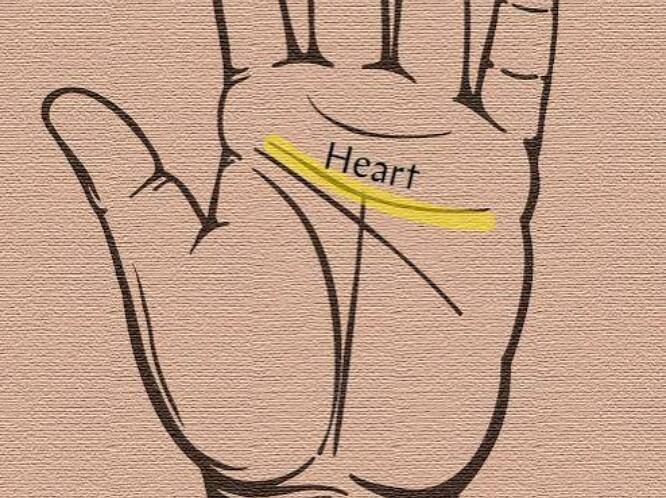
The heart line is usually located near the top of the palm, running horizontally beneath the fingers. It is traditionally connected with emotions, romantic relationships, affection, and interpersonal communication.
Palm readers often examine this line to explore how someone expresses feelings and approaches relationships.
- Long heart line: Traditionally associated with emotional openness and a desire for meaningful relationships.
- Short heart line: Sometimes interpreted as independence or a more reserved approach to emotions.
- Deep heart line: Often associated with intense feelings and passionate emotional experiences.
- Curved heart line: Commonly interpreted as warmth, expressiveness, and romantic enthusiasm.
- Broken heart line: Traditionally associated with emotional transitions, relationship challenges, or changing priorities.
The heart line is particularly popular among people interested in love and relationship readings. AI palm reading applications may use image recognition to identify its shape and generate interpretations related to emotional tendencies.
However, a palm line cannot determine whether a relationship will succeed. Healthy relationships depend much more on communication, mutual respect, trust, and individual choices.
What is the fate line?
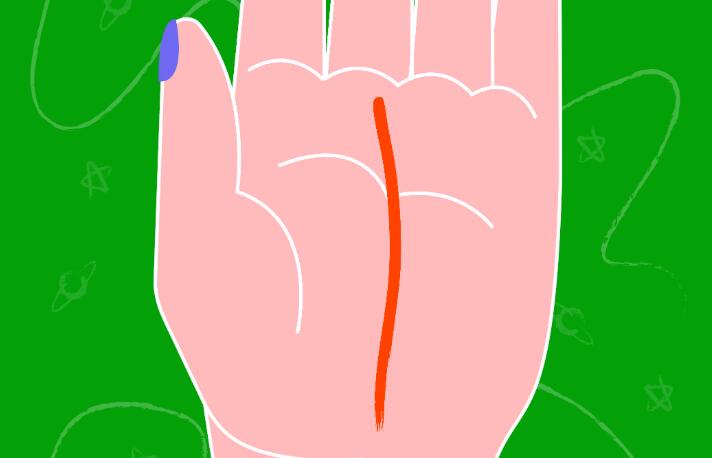
The fate line, sometimes called the career line, generally runs vertically from the lower part of the palm toward the middle finger. Not everyone has a clearly visible fate line, and its appearance can vary considerably.
In traditional palmistry, this line represents career direction, personal ambitions, responsibilities, and significant life developments.
- Deep and straight fate line: Traditionally associated with determination, stability, and a clear sense of direction.
- Faint fate line: Sometimes interpreted as flexibility or an evolving approach to career and personal goals.
- Broken fate line: Often associated with career transitions, changing circumstances, or new opportunities.
- Fate line beginning near the life line: Traditionally interpreted as a connection between personal decisions and career development.
- Fate line extending toward the middle finger: Sometimes associated with responsibility, ambition, and long-term commitments.
AI palm reading tools may highlight the fate line and provide automated career-related interpretations. These results can be entertaining and may encourage users to think about their professional goals.
Nevertheless, your career future is not determined by a line on your hand. Education, practical skills, professional relationships, adaptability, and consistent effort have a much greater influence on career development.
What is the head line?
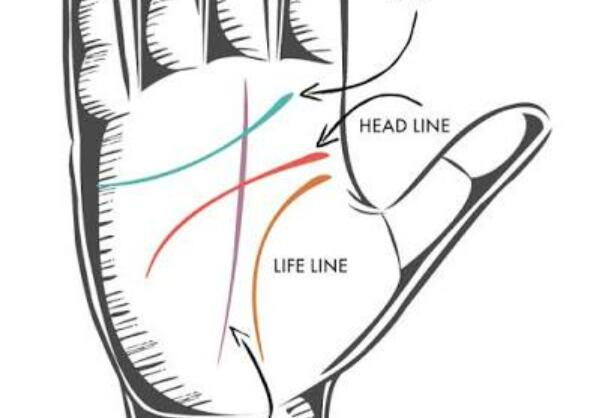
The head line usually stretches horizontally across the middle of the palm, often beginning close to the life line. Traditional palmistry associates it with thinking patterns, intellectual interests, decision-making, and learning preferences.
Its shape and length are often used to generate interpretations about how someone approaches problems and processes information.
- Long head line: Traditionally associated with careful thinking, concentration, and analytical tendencies.
- Short head line: Sometimes interpreted as practical thinking and a preference for straightforward decisions.
- Straight head line: Commonly associated with logical reasoning and structured problem-solving.
- Curved head line: Often interpreted as creativity, imagination, and flexible thinking.
- Separated head and life lines: Traditionally associated with independence, confidence, and individual decision-making.
For people exploring AI palmistry, the head line can be particularly interesting because many apps generate personality descriptions based on its visual characteristics.
However, intelligence, creativity, and decision-making abilities cannot be reliably measured by examining palm lines. Real intellectual development comes from learning, experience, curiosity, and critical thinking.
What is the sun line?
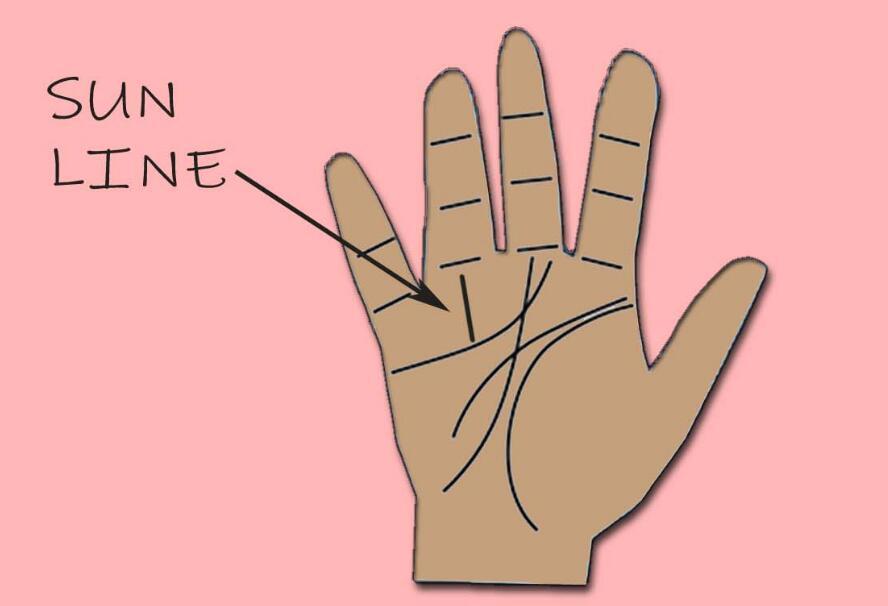
The sun line, also known as the Apollo line, is generally found beneath the ring finger. It may extend upward from the middle or lower part of the palm, although some people have a very faint line or no clearly visible sun line.
In traditional palmistry, the sun line symbolizes creativity, recognition, reputation, artistic interests, and personal fulfillment.
- Clear and deep sun line: Traditionally associated with recognition, confidence, and creative expression.
- Long sun line: Sometimes interpreted as sustained personal ambitions and opportunities for achievement.
- Short sun line: Often associated with satisfaction gained through personal accomplishments rather than public recognition.
- Broken sun line: Traditionally interpreted as changes in creative interests or shifting priorities.
- Multiple sun lines: Sometimes associated with diverse talents and different creative interests.
The sun line is often discussed in readings about success and personal achievement. AI palm reading apps may interpret it as an indicator of potential recognition or creative development.
However, success cannot be predicted through this line. Developing useful abilities, maintaining motivation, and taking consistent action are much more meaningful ways to pursue personal achievements.
How Does AI Palm Reading Technology Work?
AI palm reading combines traditional palmistry concepts with modern computer vision and machine learning technologies. Instead of manually examining a person's hand, an AI-powered application analyzes an uploaded palm image and identifies visible features.
Most applications follow a relatively straightforward process:
- Step 1: Capture a palm image. Take a clear photograph of your palm under good lighting.
- Step 2: Upload your photograph. Submit the image through the app's scanning interface.
- Step 3: Identify palm features. Computer vision technology analyzes visible lines, contours, and other hand characteristics.
- Step 4: Generate an interpretation. The application compares detected features with patterns used in its palmistry system.
- Step 5: Review your results. Read the generated interpretations about your major palm lines.
Different applications may use different algorithms, image-processing techniques, and interpretation databases. Therefore, two AI palm reading apps might analyze the same photograph but generate noticeably different results.
It is also worth remembering that AI recognition is not the same as scientific validation. An application may identify visible palm lines accurately without proving that those lines reveal someone's personality or future.
Benefits of Using AI Palm Reading Apps
AI palm reading applications have become increasingly attractive because they combine convenience, accessibility, and interactive technology.
Convenient and Accessible
Traditional palm reading may require finding an experienced practitioner and arranging an appointment. AI applications eliminate many of these practical barriers. Users can explore palmistry whenever they have access to a smartphone and an internet connection.
Quick and Interactive Results
Many AI palm reading tools provide interpretations within seconds. Some also include visual diagrams, highlighted palm lines, and personalized descriptions, making the experience more engaging for beginners.
An Introduction to Traditional Palmistry
For people who are curious about palmistry, AI applications can provide a convenient introduction to traditional concepts. They can help users recognize the major palm lines and learn how different palmistry traditions interpret them.
Encouraging Personal Reflection
Some AI-generated readings may encourage users to reflect on their relationships, ambitions, habits, and personal goals. When treated as entertainment or a self-reflection exercise, this experience can be an interesting way to explore different perspectives.
How to Choose a Suitable AI Palm Reading App
Not all palm reading applications offer the same experience. Before downloading one, consider several important factors:
- Image recognition quality: Look for applications that provide clear scanning instructions and can identify major palm lines consistently.
- Ease of use: Choose an intuitive interface that makes uploading images and reviewing results straightforward.
- Transparent pricing: Check whether the application is genuinely free, offers optional paid features, or requires a subscription.
- Privacy protection: Review its privacy policy to understand how uploaded palm photographs are collected, stored, and processed.
- Realistic descriptions: Be cautious of apps that make extreme promises about predicting death, diagnosing illnesses, or guaranteeing financial success.
You should also remember that palm photographs contain personal biometric information. Avoid uploading images to unfamiliar applications without checking their data policies and security practices.
Final Thoughts
AI palm reading offers an interesting combination of traditional palmistry and modern artificial intelligence. With just a smartphone camera, people can explore the symbolic meanings of their life line, heart line, fate line, head line, and sun line. These applications make palmistry more accessible and provide an entertaining way to discover an ancient cultural practice. However, their interpretations should always be viewed as symbolic suggestions rather than reliable predictions about the future.
Ultimately, do not become overly obsessed with palmistry or allow an AI-generated reading to control your decisions. Your future is not fixed by the lines on your hands. What truly makes life better is continuously improving your knowledge, developing your abilities, building healthy relationships, and learning to make thoughtful decisions. Rather than relying on palm lines to determine what will happen tomorrow, focus on becoming a better version of yourself today. Your awareness, actions, and willingness to grow are far more powerful influences on the direction of your life.