Easy ways to change the language on Android phones/tablets
Last updated: 2026-10-23
Welcome to Blackview (Well-known Chinese brand of rugged phone and tablet, including thermal camera phone, tablet with NFC, and rugged phone with eSIM, etc.) blog. Hope the guide helps.
Want to change the language on your Android phone or tablet? Whether you've purchased a device in another country, accidentally switched to an unfamiliar language, or simply want to use your preferred language, Android makes it possible to adjust language settings in just a few steps. You can change the language of your entire device, add multiple languages, or choose different languages for individual apps, depending on your Android version and device manufacturer.
- Read also: How to hide navigation bar on Android?
- How to enable & disable voice navigation on Android?
- How to make app icon size bigger or smaller on Android?
In this guide, we'll explain how to change the language on Android phones and tablets, including Samsung Galaxy, Google Pixel, and other Android devices. You'll also learn how to change app languages, adjust keyboard settings, fix common language-related problems, and manage multiple languages for a smoother experience. The exact menu names may vary slightly depending on your device and Android version, but the general process is similar.
How to Change the System Language on Android
Changing the system language updates the language used for menus, settings, notifications, and other supported parts of your device. Follow these steps to get started:
- Open the Settings app on your Android phone or tablet.
- Look for System, General management, or a similar settings category.
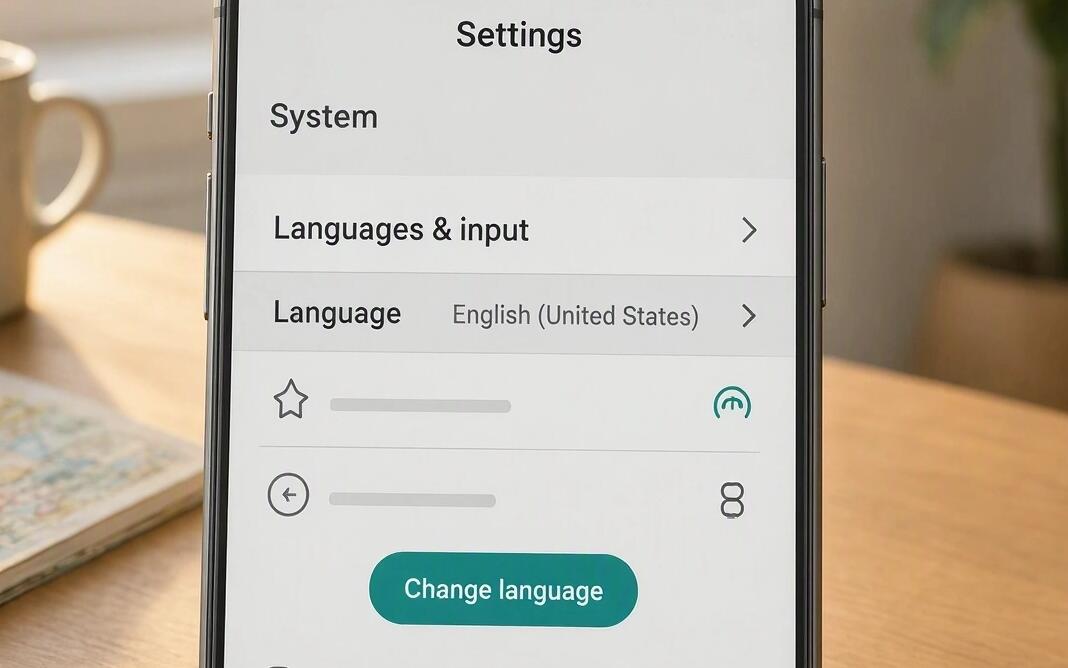
- Tap Languages & input, Language, or Languages, depending on your device.
- Open the language preferences menu and select Add a language if your preferred language is not listed.
- Choose the language you want to use from the available list.
- If necessary, move your preferred language to the top of the language list or select the option to apply it as the default.
- Return to the home screen and check whether your device menus have updated.
On some devices, the change takes effect immediately. Other devices may require you to confirm your selection or reopen certain applications. If your phone is currently displayed in a language you cannot read, look for the Settings gear icon and use the familiar menu icons to navigate.
Change Language on Samsung Galaxy Phones and Tablets
Samsung Galaxy devices generally place language settings under General management. The menu structure may differ slightly between One UI versions, but the process is straightforward.
- Open Settings.
- Scroll down and tap General management.
- Select Language.
- Tap Add language to find your preferred language.
- Select the language and choose whether to set it as the default or keep it as an additional language, when prompted.
- If you add multiple languages, use the available editing controls to move your preferred language to the top of the list.
- Confirm the change if prompted, then check the device interface.
If your preferred language does not appear immediately, check whether the language list offers additional regional variants. For example, Portuguese may be available in different regional forms. Choosing the appropriate variant can improve date formats, spelling, and other regional settings where supported.
Change Language on Google Pixel and Other Android Devices
Google Pixel phones use Android's system language preferences, and many other Android devices follow a similar structure.
- Open Settings and select System.
- Tap Languages or Languages & input.
- Open System languages or the main language preferences screen.
- Tap Add a language if you need to install another language option.
- Select your preferred language and regional variant, if available.
- Move the language to the top of the list or select it as the primary language.
- Return to Settings to verify that the interface has changed.
If you cannot find the language settings, use the search bar at the top of Settings and type "Languages." This is often the quickest way to locate the correct menu, especially when your device uses a customized Android interface.
Change the Language of Individual Android Apps
You may want to use your phone in one language while keeping certain apps in another. On supported devices running Android 13 or later, you can change the language of individual applications without changing the entire system language. However, not every app supports this feature.
- Open Settings.
- Navigate to System and then Languages, or open the app-specific language settings available on your device.
- Tap App languages if the option is available.
- Select the app you want to customize.
- Choose your preferred language from the languages supported by that app.
- Reopen the app and check whether the language has changed.
Some applications manage their language settings internally. In that case, open the app, visit its settings menu, and look for Language, Region, or Preferences. If the desired language is unavailable, the developer may not support it in the current version.
Change the Keyboard Language on Android
Changing the system language does not always change your keyboard's typing languages. If you want to type in multiple languages, configure your keyboard separately.
- Open Settings and navigate to System or General management.
- Choose Keyboard, Languages & input, or On-screen keyboard.
- Select your current keyboard, such as Gboard or Samsung Keyboard.
- Open the keyboard's language settings.
- Tap Add keyboard or select the option to add a language.
- Choose the language and preferred keyboard layout, then confirm your selection.
- Open a messaging app and switch between keyboard languages using the globe icon or the space bar, depending on your keyboard.
Adding keyboard languages is especially useful for multilingual users. You can keep your menus in English while typing in Spanish, Chinese, French, or another supported language. Predictive text and spell-checking may also work better when the correct keyboard language is enabled.
Troubleshoot Common Android Language Problems
If your language does not change as expected, try these simple solutions:
- The language option is missing: Search Settings for "Language" and check your device manufacturer's instructions.
- An app remains in the old language: Confirm that the app supports your chosen language, then close and reopen it.
- Only part of the interface changes: Some apps, system components, and third-party services may not support every language.
- The keyboard still uses the old language: Add or select the desired language in your keyboard's own settings.
- You cannot understand the current interface: Use the Settings search function, recognizable icons, or a trusted device-specific guide to find the language menu.
- The change does not take effect: Restart the app or device if necessary, and check for available system or app updates.
Before changing settings on a shared or work-managed device, check whether administrator restrictions prevent language changes. Avoid resetting your phone to factory settings solely to fix a language problem, as this can erase personal data.
Final Thoughts
Changing the language on an Android phone or tablet is usually simple once you know where to look. Samsung Galaxy devices generally use General management, while Google Pixel and many other Android devices place the relevant controls under System and Languages. You can also customize individual apps and keyboard languages to suit your daily needs.
For the smoothest experience, add your preferred language, set it as the default when appropriate, and verify that your most frequently used apps support it. If the menu names differ on your device, search Settings for "Language" rather than navigating through every category manually. With these steps, you can personalize your Android experience and switch between languages whenever you need to.