Do smart toilets require electricity?
Welcome to Blackview (World's well-known brand of rugged phone and tablet) blog. Hope the guide helps.
Smart toilets have moved from luxury hotels into ordinary homes, promising better hygiene, comfort, and health monitoring. As people consider upgrading their bathrooms, one common and practical question appears again and again: do smart toilets actually need electricity to function, and if so, why?
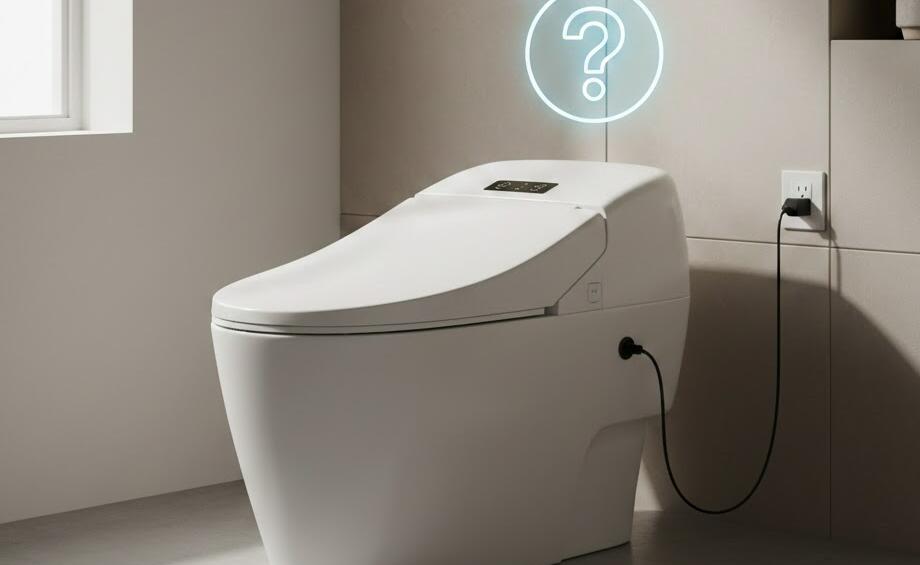
At first glance, a toilet seems like a purely mechanical device that relies only on water pressure. However, once digital features such as heated seats, sensors, and automatic cleaning are introduced, the role of electricity becomes far more important and worth understanding in detail.
What makes a toilet “smart”?
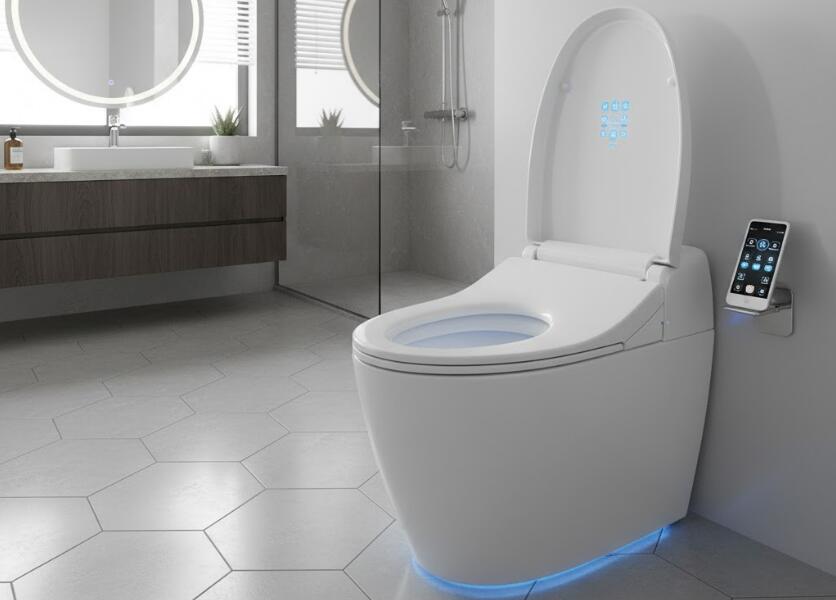
A smart toilet is defined by its integration of electronic components designed to improve user experience and sanitation. Unlike traditional toilets, these models rely on embedded technology to perform tasks automatically and consistently.
Core electronic features
- Heated seats with adjustable temperature
- Automatic lid opening and closing
- Bidet washing and drying systems
- LED night lights and digital displays
Each of these features depends on a stable power source. These are also factors to consider when choosing the best smart toilet. Without electricity, a smart toilet would lose most of its defining advantages and revert to basic flushing only.
Why electricity is essential
Electricity powers the sensors, microprocessors, and heating elements inside a smart toilet. Motion sensors detect user presence, control panels respond to touch, and internal processors manage timing, water pressure, and temperature settings.
Heating and comfort functions
One of the most popular reasons people choose smart toilets is comfort. Heated seats and warm water washing require electrical resistance heating. These systems cannot function using water pressure alone, making electricity a non-negotiable requirement.
Are there non-electric alternatives?
Some bidet attachments and semi-smart toilet seats operate without electricity, relying on water pressure to spray water. While these options improve hygiene, they lack advanced features such as warm water, air drying, and user customization.
Limitations of non-electric designs
Without electricity, features like temperature control, deodorization, and automatic cleaning are impossible. This means users must compromise between simplicity and functionality when choosing non-electric alternatives.
Installation and energy considerations
Installing a smart toilet usually requires access to a nearby electrical outlet, often with ground fault protection for safety. Energy consumption is generally low, comparable to small household appliances, and many models include power-saving modes.
Reliability during power outages
During a power outage, most smart toilets can still flush manually, but electronic features will temporarily stop working. This design ensures basic usability while highlighting the dependence on electricity for advanced functions.
In conclusion, smart toilets do need electricity to deliver the features that define them as “smart.” From heated seats to automated hygiene functions, power is essential for comfort, efficiency, and modern convenience.
Understanding this requirement helps homeowners make informed decisions. By balancing electrical needs, installation conditions, and desired features, users can decide whether a smart toilet fits their lifestyle and expectations for a modern bathroom.