How to turn on Back Button on an Android phone (e.g. Redmi)?
Last updated: 2026-09-22
Welcome to Blackview (World's well-known brand of rugged phone, such as rugged phone with projector and the best rugged phone with satellite messaging, etc) blog. Hope this guide has been helpful.
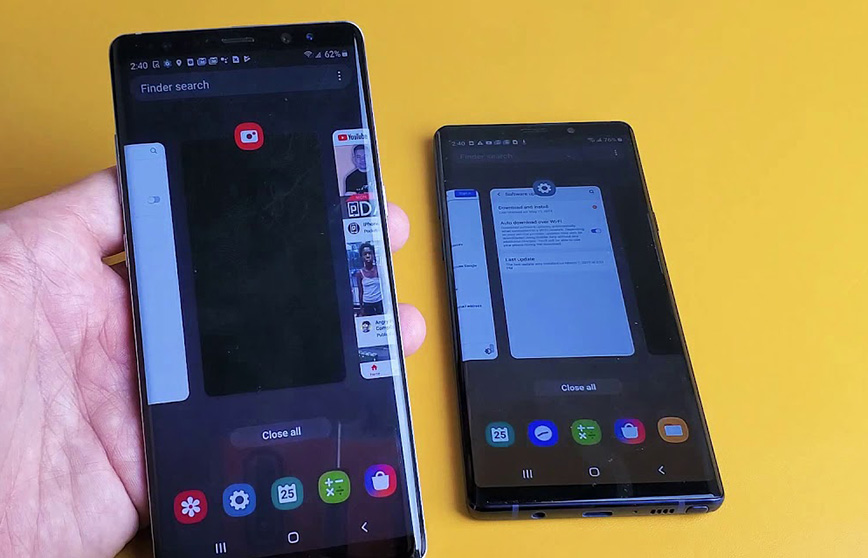
Android phones can use different navigation systems, and some devices may appear to have no traditional Back button when gesture navigation is enabled. On phones such as Redmi devices, the navigation method can usually be changed from gesture-based navigation to a three-button layout. This restores the familiar Back, Home, and Recent Apps buttons at the bottom of the screen, making it easier to move between pages and applications.
- Read also: How to turn off battery saver mode on Android?
- How to change country in Amazon app?
- Why and how to fix a Type-C charger not working?
- How to turn off emergency alerts on Android?
The exact names of settings can vary depending on the Android version, MIUI version, HyperOS version, and Redmi model. However, the general process is similar: open the phone's Settings app, find the system navigation or home-screen navigation settings, and select the three-button navigation option. The following guide takes example with Redmi phone, explains the process and also covers what to do if the Back button does not appear after changing the navigation mode.
How to Enable the Back Button on a Redmi Phone
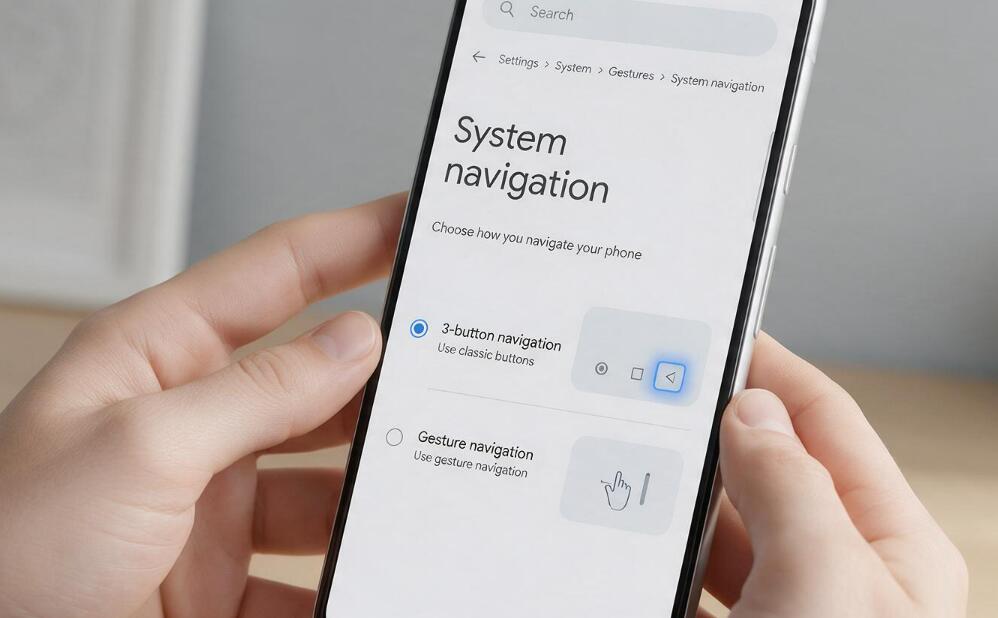
If your Redmi phone currently uses gesture navigation, you can normally switch to three-button navigation through the Settings app. The three-button layout usually places Back, Home, and Recent Apps controls along the bottom edge of the display.
Steps to turn on the Back button
Try the following steps on your Redmi phone:
- Open the Settings app on your Redmi phone.
- Scroll down and look for Home screen, System navigation, or a similarly named option.
- Tap System navigation if it is available.
- Look for the navigation options, such as Gestures and Buttons.
- Select Buttons or 3-button navigation.
- Wait briefly for the navigation bar to appear at the bottom of the screen.
- Test the Back button by opening an app or settings page and tapping the button.
If you cannot find the setting, use the search field at the top of the Settings app and search for terms such as navigation, system navigation, or buttons. Redmi devices running different software versions can place the same feature in different sections.
Check Whether Your Phone Uses Gesture Navigation
Gesture navigation is one of the main reasons users may think the Back button has disappeared. Instead of displaying permanent buttons, the phone uses swipes from the edges or bottom of the screen. In this mode, going back generally involves swiping inward from the left or right edge of the display.
Before changing any settings, you can check whether gesture navigation is enabled. If you see no navigation buttons at the bottom of the screen and the phone responds to swipes from the edges, gesture navigation is probably active. Switching to the button-based layout should replace those gestures with visible navigation controls.
Why Android Offers Different Navigation Modes
Android supports multiple navigation approaches because different users have different preferences. Gesture navigation provides more screen space and relies on swiping, while three-button navigation provides visible controls that can be easier to recognize and operate. The choice is generally a matter of usability and personal preference rather than a performance setting.
How to Find Navigation Settings on Different Redmi Software Versions
One common difficulty is that the navigation option may not be located exactly where an online tutorial says it should be. Redmi phones have used different software interfaces over time, including MIUI and HyperOS, and menu names can vary between releases. Your model and software version can therefore affect the path you need to follow.
- Open Settings and use the built-in search function.
- Search for System navigation.
- If there is no result, search for Navigation buttons or simply navigation.
- Check sections such as Home screen or other display/system settings.
- Look for an option referring to Gestures, Buttons, or 3-button navigation.
Using Settings search is often faster than manually checking every menu. If the terminology on your device differs, focus on the option that controls how you move between the previous screen, Home screen, and recently used applications.
What to Do If the Back Button Still Does Not Appear
If you selected button navigation but cannot see the Back button, first check whether the setting was actually applied. Some phones may require you to leave the settings page or restart the device before all interface elements refresh correctly. A temporary software issue can also prevent the navigation bar from displaying as expected.
Basic troubleshooting steps
- Return to the navigation settings and confirm that Buttons or 3-button navigation is selected.
- Restart the phone.
- Check whether a full-screen mode or special display setting is hiding navigation controls.
- Install available system updates if your device has an outstanding update.
- Search Settings again for navigation to confirm that the correct option was changed.
- If the problem continues, check Redmi's official support information for your exact model and software version.
Avoid changing unrelated system settings simply to make the navigation bar appear. If the phone behaves normally except for the missing navigation controls, confirming the navigation mode is usually the most relevant first step.
How to Use the Android Back Button
Once three-button navigation is enabled, the Back button is generally used to return to the previous screen within an application or system menu. For example, if you open a settings submenu, tapping Back normally returns you to the preceding settings page. In many applications, it can also take you back to a previous page or screen.
The exact behavior can depend on the application. Some apps have their own navigation controls, while others follow Android's standard system navigation behavior. If tapping Back does not produce the expected result inside a particular app, check whether that application has a separate navigation structure.
Can You Change the Position of the Navigation Buttons?
Some Android interfaces provide additional navigation preferences, such as changing the arrangement of the three buttons. Depending on the Redmi model and software version, you may be able to choose between different button orders. This can be useful if you are accustomed to a particular Android navigation layout.
Look in the same navigation settings area after enabling button navigation. If your software version provides a button-order option, you can select the arrangement that feels most familiar. If the option is not available, the phone may use a fixed arrangement in that particular software version.
Buttons vs. Gesture Navigation
Three-button navigation and gesture navigation perform many of the same basic functions, but they require different interaction methods. Button navigation provides visible controls, which can make the Back function immediately obvious. Gesture navigation removes the permanent buttons and instead relies on swiping, potentially giving the display a cleaner appearance.
For someone who frequently uses the Back function or prefers clearly visible controls, three-button navigation can be more intuitive. Users who prefer gestures may find the opposite arrangement more convenient. Neither option is universally appropriate; the practical choice depends on how you interact with your phone.
What If You Are Using Another Android Phone?
The same general concept applies beyond Redmi devices, although the menu names differ between manufacturers. Samsung, Google Pixel, Motorola, OnePlus, and other Android phones may place navigation settings under different sections. Searching Settings for navigation is often the quickest way to locate the relevant control.
On some devices, the setting may be called Navigation bar, System navigation, Navigation mode, or Buttons. If your phone does not offer a three-button option, the manufacturer may use a different navigation design or software interface.
Final Tips for Using the Back Button
If the Back button is important to your daily phone use, keeping three-button navigation enabled can make the interface more predictable. After switching from gestures, spend a few minutes testing Back, Home, and Recent Apps in several applications so you can confirm that the new layout works as expected.
On a Redmi phone, enabling the traditional Back button generally means switching from gesture navigation to a button-based navigation mode through Settings. Because menu names vary across MIUI, HyperOS, Android versions, and individual models, the quickest route may be to search Settings for navigation and then select the option for buttons or three-button navigation.
If the Back button does not appear after making the change, confirm the selected navigation mode, restart the phone, and check for software-specific settings that may hide the navigation bar. Once enabled, the visible Back button provides a simple way to return to the previous screen without relying on edge-swipe gestures.