The Benefits and Risks of using VPN network on your device
Last updated: 2026-07-28
Welcome to Blackview blog. Hope this VPN related guide helps.
Virtual Private Networks (VPNs) have become increasingly popular as internet users seek greater privacy, enhanced security, and unrestricted access to online content. Whether you are working remotely, streaming geo-restricted media, or simply browsing the web, a VPN can provide an additional layer of protection by encrypting your internet traffic and masking your IP address. As cyber threats continue to evolve and online privacy becomes a growing concern, VPN services are now considered essential tools for both personal and professional internet use.
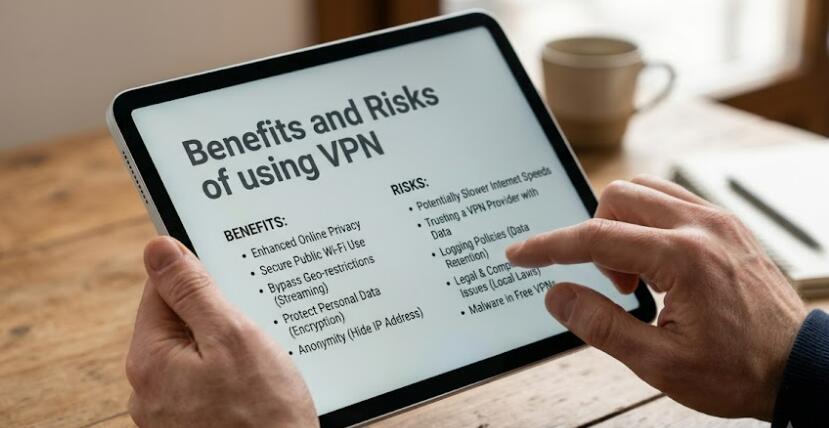
Despite their many advantages, VPNs are not a perfect solution for every online security challenge. While they can improve privacy and help users access restricted websites, they also introduce certain limitations and risks that should not be overlooked. Understanding both the benefits and the potential drawbacks of using a VPN enables users to make informed decisions and choose reliable providers that meet their specific needs.
Today, VPNs are available across multiple platforms, including Windows, macOS, Android, iOS, Linux, and even smart TVs and routers. Businesses use VPNs to secure remote employees, while individuals rely on them for safer browsing and accessing international content. However, the effectiveness of a VPN largely depends on the provider's infrastructure, privacy policy, encryption standards, and how responsibly users utilize the service.
What Is a VPN and How Does It Work?
A Virtual Private Network creates an encrypted tunnel between your device and a remote VPN server. Instead of connecting directly to websites through your internet service provider (ISP), your internet traffic is routed through the VPN server. This process hides your real IP address, encrypts transmitted data, and makes it more difficult for third parties to monitor your online activities.
Key Functions of a VPN
A VPN performs several important security and privacy functions that improve the overall online experience.
- Encrypts internet traffic to protect sensitive information.
- Masks your real IP address with the VPN server's address.
- Helps prevent network interception on unsecured connections.
- Allows users to connect through servers located in different countries.
- Provides an additional layer of privacy while browsing.
The Benefits of Using a VPN
1. Improved Privacy and Security
A VPN encrypts your internet traffic, hiding your IP address and making it much harder for others to snoop on your online activities. This helps protect your sensitive information from hackers, ISPs, and government surveillance. Extending reading: Can you manually set IP address on your phone?
2. Access Restricted Content
Many streaming platforms, websites, and online services restrict content based on geographic location. By connecting to servers in different countries, a VPN allows users to access region-specific content that may otherwise be unavailable in their location. Extending reading: How to download Apps not available in your country?
3. Safer Public Wi-Fi Use
When using unsecured public Wi-Fi networks, a VPN keeps your data safe from potential eavesdropping or man-in-the-middle attacks. The encryption prevents others from accessing your information.
4. Anonymous Browsing
Although complete anonymity is difficult to achieve online, a VPN helps reduce tracking by hiding your real IP address. Websites and advertisers see the VPN server's address instead of your personal network location, making it more difficult to build detailed browsing profiles. Extending reading: What is IP address on a phone & How to check?
5. Bypassing Bandwidth Throttling
Some internet service providers (ISPs) may throttle or limit your bandwidth for certain online activities. Using a VPN can help bypass this throttling and provide faster, unrestricted internet access.
- Related: Is it safe to use VPN in your phone?
6. Secure Remote Work
Businesses frequently use VPNs to allow employees secure access to internal company resources from home or while traveling. Encrypted connections help protect confidential business information from unauthorized access.
7. Protection Against Local Network Monitoring
Schools, workplaces, and shared residential networks may monitor internet activity. A VPN helps limit visibility into browsing activity by encrypting data before it leaves your device.
8. Better Security During Travel
Frequent travelers often connect through unfamiliar internet networks. Using a VPN while traveling helps maintain a consistent level of protection regardless of the local network environment.
The Risks of Using a VPN
1. Potential for Logging and Data Leaks
Privacy concerns are still the most important thing for considering. While VPNs protect your online activities from your ISP, the VPN provider itself can see your traffic. While a good VPN service should have a strict no-logs policy, there are concerns that some VPNs may still log user activity or have security vulnerabilities that could lead to data leaks. Thus, be sure to research the VPN provider thoroughly.
2. Slower Internet Speeds
Connecting to a VPN server can introduce additional latency and reduce your internet speed, especially if the VPN server is located far away from your physical location. This may impact activities like streaming, gaming, or large file downloads.
3. Limited Functionality on Certain Websites
Some websites or online services may block or restrict access to users connecting through a VPN, as they may view VPN usage as suspicious or an attempt to bypass their policies.
4. Trust in the VPN Provider
You're essentially trusting the VPN service with your internet traffic and personal data. If the provider is based in a country with lax privacy laws or has a poor track record, it could potentially compromise your security and privacy.
5. False Sense of Security
Relying solely on a VPN can create a false sense of security. Strong passwords, using up-to-date software, and cautious online behavior are still crucial for protecting your digital life.
6. Legality Concerns in Certain Regions
In some countries, the use of VPNs may be restricted or even illegal, especially if they are used to access content that is banned or censored by the government. Be sure to check the local laws before using a VPN.
7. Cost of Premium Services
While free VPNs are available, they often have limited bandwidth, slower speeds, fewer server locations, or questionable privacy practices. High-quality VPN services generally require paid subscriptions.
8. Compatibility Issues
Certain devices, applications, or corporate networks may not function properly when connected through a VPN. Additional configuration or temporary disconnection may sometimes be required.
Choosing the Right VPN
Selecting the right VPN provider is essential for maximizing both security and performance.
- Choose providers with independently audited no-logs policies.
- Look for strong encryption standards such as AES-256.
- Select VPNs offering multiple server locations worldwide.
- Verify support for modern VPN protocols like WireGuard or OpenVPN.
- Check for kill switch functionality to prevent accidental data exposure.
- Review independent security audits and customer feedback.
- Ensure compatibility with all your devices.
- Compare pricing, speed, and customer support before subscribing.
Best Practices When Using a VPN
Using a VPN responsibly can significantly improve your online security while minimizing potential risks.
- Keep your VPN application updated.
- Enable automatic connection on untrusted Wi-Fi networks.
- Use multi-factor authentication whenever possible.
- Install reputable antivirus software alongside your VPN.
- Avoid sharing sensitive information on suspicious websites.
- Regularly review your VPN provider's privacy policy.
- Disconnect the VPN only when absolutely necessary.
Conclusion
VPNs have become valuable tools for improving online privacy, securing internet connections, and accessing content across different regions. Their ability to encrypt internet traffic and hide IP addresses makes them particularly useful for remote workers, travelers, and anyone concerned about digital privacy. However, users should remember that a VPN is only one component of a comprehensive cybersecurity strategy and should be combined with good online habits and other security technologies.
Before choosing a VPN service, carefully evaluate both its advantages and limitations. A trustworthy provider, transparent privacy policy, strong encryption, and reliable performance are essential factors for protecting your online activities.